There is a long timeline of Jewish heritage in Morocco – before the founding of Israel in 1948, there was a large population of Jews in the country (more than a quarter of a million). Experts have not been able to agree with certainty exactly when the first Jews arrived on Moroccan soil. However, the oldest Jewish community seems to date back to 361 BCE and is integrated with the indigenous Berber population in the area.
However they arrived into the country, and after many years where there were waves of departure, there is still a Jewish presence alive and well in Morocco. Although the population of Jews has dwindled somewhat, there are still many sights displaying the ways in which they intertwined with and contributed to the rich history of this North African kingdom.
About Jewish History in Morocco – Volubilis
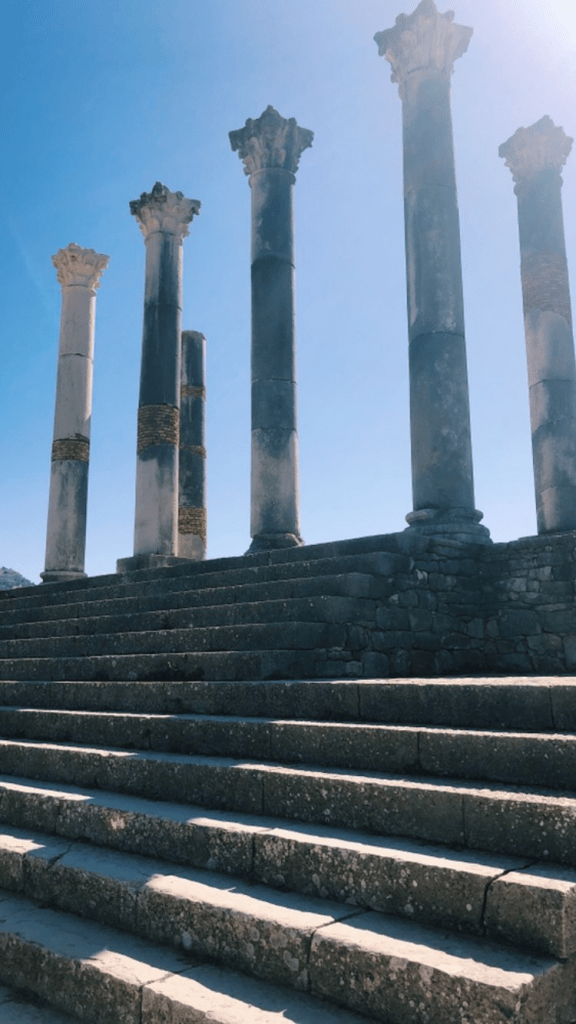
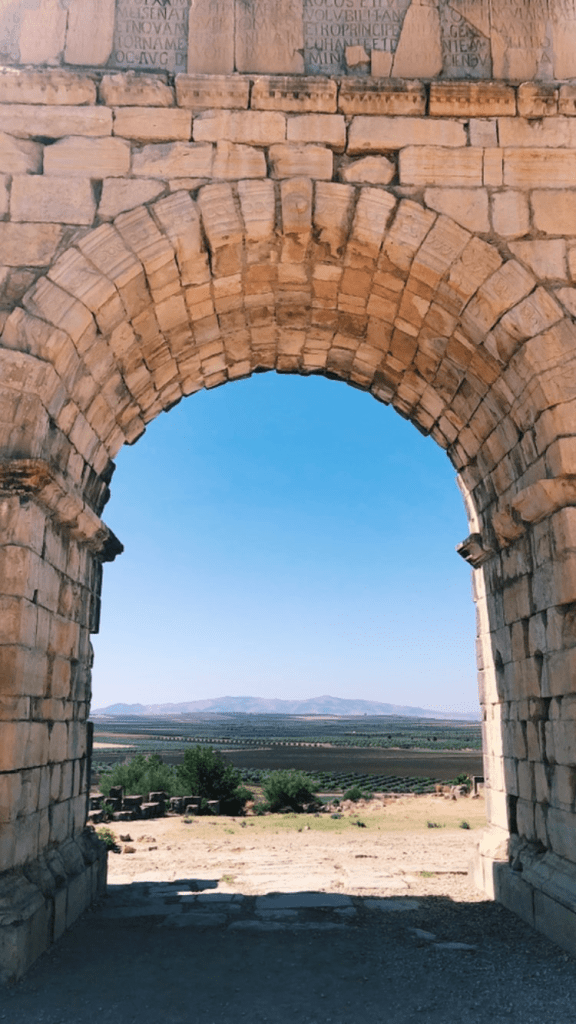
The first stop on a journey to discover Jewish history in Morocco would be a trip to Volubilis. This is a partly excavated Berber-Roman settlement near the city of Meknes, which is thought to have developed from the 3rd century BC in this fertile, agricultural area of the country.
Fes: A Bustling Moroccan Jewish Community
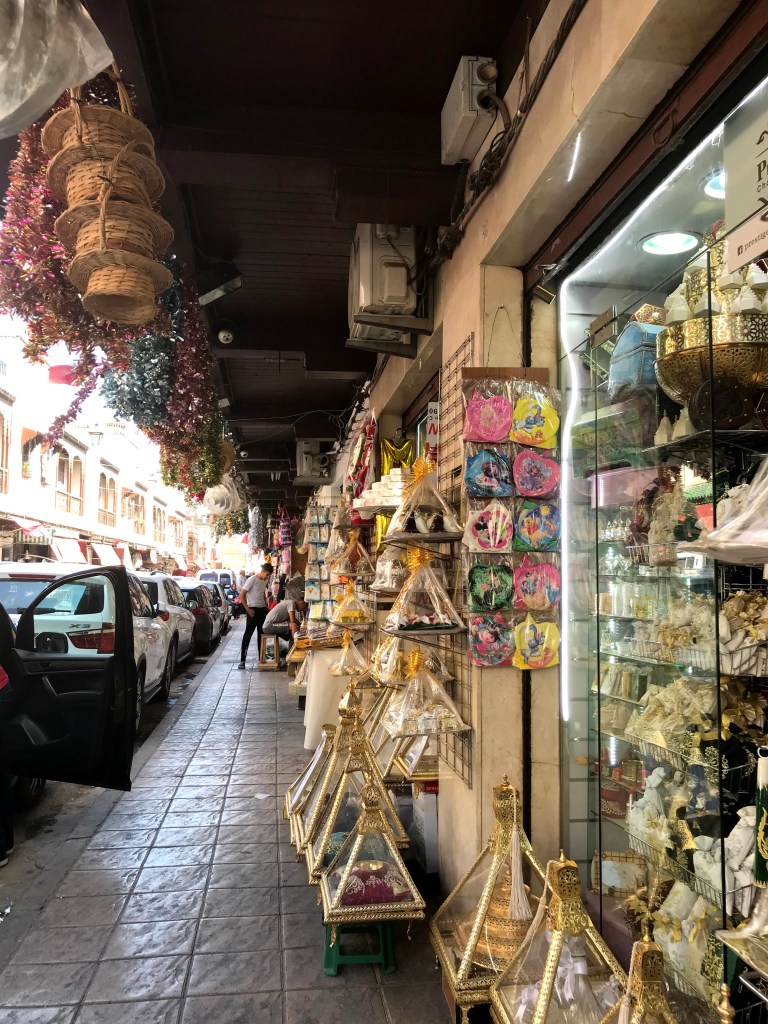
In this ancient Moroccan Imperial City, the Jews were among the first to settle here at the end of the 8th century. They quickly became established in the city, and the Jewish Quarter (Al-Funduk Al-Yahudi) grew and developed. The old shop-fronts can still be seen, and though there were many periods of growth and decline within the Jewish community here, there has been a lasting impact on the character of the city.
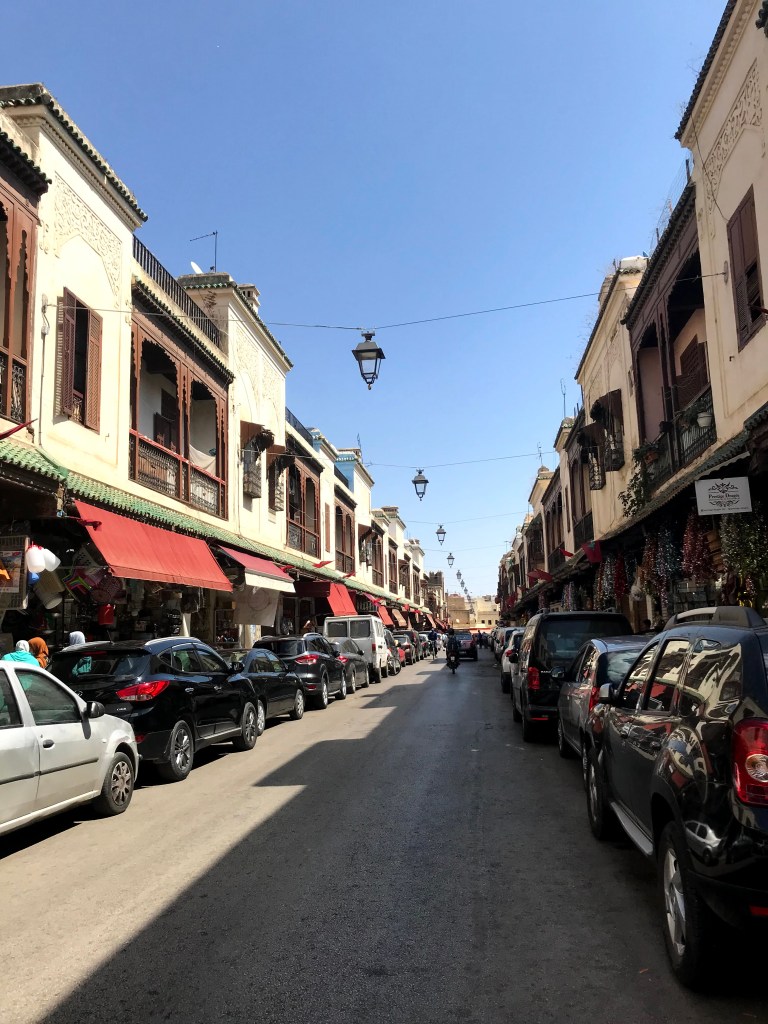
As well as the Jewish Quarter, other popular sites to visit are the restored Jewish Synagogue, Ibn Danan, which is located in the mellah, and the tomb of Rabbi Yehouda Benatar. There is also a Jewish cemetery located in Fes. Although the Jewish population has more recently declined here, it is still an important stop on the Moroccan Jewish history tour.
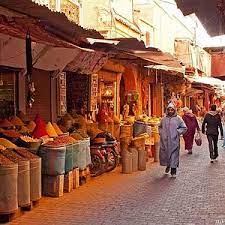
Discover the Mellah in Marrakech
The Mellah, or Jewish Quarter, in Marrakech is the second oldest of its kind in the country. The first recorded Jewish presence in the city was in 1232, and many Jews re-located here after fleeing persecution in the Iberian Peninsula and other Mediterranean locations. Mellahs like this one were created to offer protection to the Jewish community.
It became an important commercial center in the city, and its walls and gates were closed at night to keep the inhabitants safe. The Jewish Quarter became over-populated within a few years, and today only has a small number of Jewish inhabitants. It was restored by King Mohamed VI in 2016, and is a popular tourist attraction in the city today.
Traces of Jewish History in Essaouira
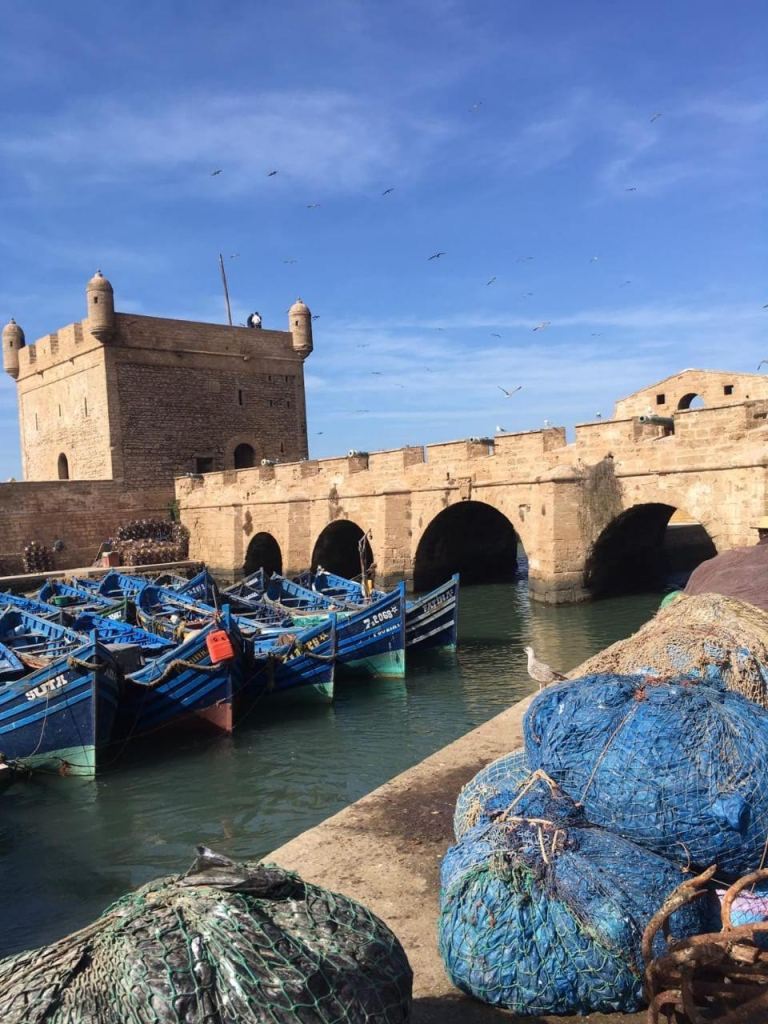
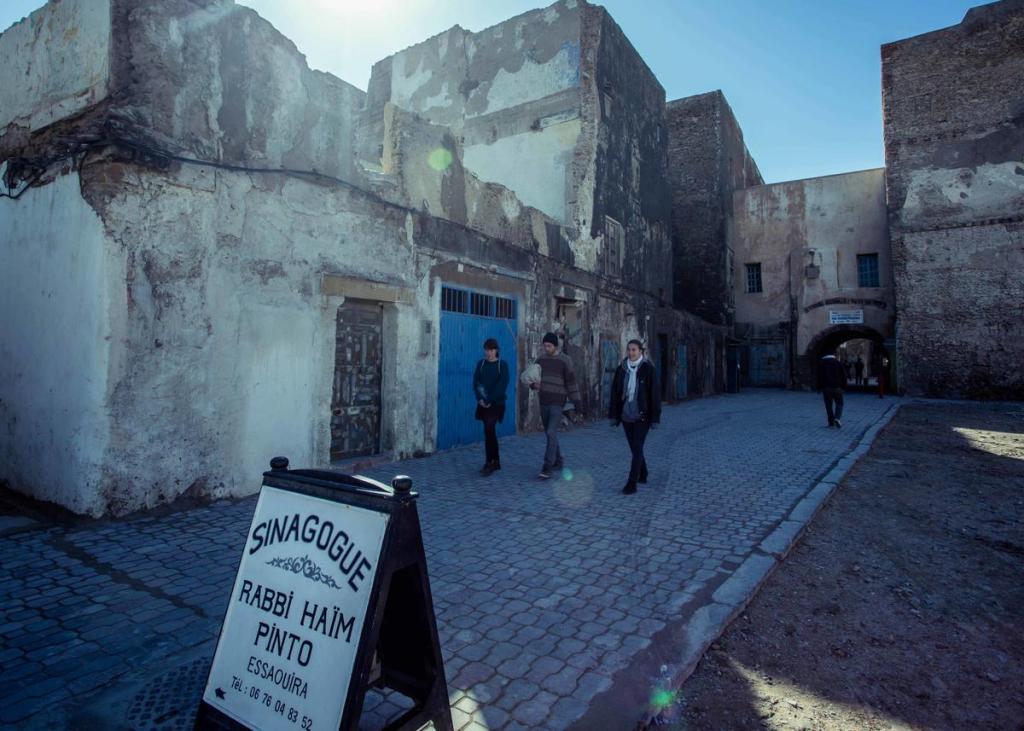
The Atlantic Coastal town of Essaouira is another important stop on the Moroccan Jewish history tour. The population of this ancient settlement was, at one time, made up of a majority of Jews. The community here was always a very tolerant one, with Jews and Muslims living and working together peacefully. However, no Jews have lived here since the 1960’s.
The mellah in the town is, for the most part, abandoned and in ruins. However, it is still worth a visit! There are two synagogues here that have been maintained on the inside, and are open for visitors. Funding has been put in place to develop an interpretation project in the mellah, with the goal of recording and creating awareness of the peaceful, multi-denominational nature of the community in Essaouira.
The Museum of Moroccan Judaism in Casablanca
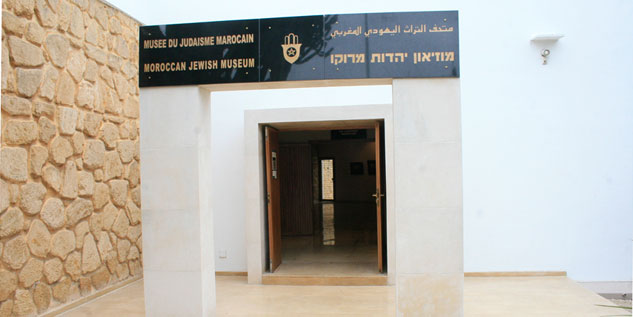
Another important site to consider visiting on this Jewish Heritage trip is the Museum of Moroccan Judaism in Casablanca, which is the only museum of its kind in the Arab world. The largest population of Moroccan Jews currently lives in Casablanca, with approximately 1,000 Jews residing here today.
You will be able to view here books that have been published in Hebrew, French, and Moroccan Judeo-Arabic. There is also an article on-view from a newspaper printed in 1933 with a ‘call-to-action’ for Jewish Moroccans to try to learn Darija (Moroccan Arabic), so that they might be able to communicate and integrate with their Moroccan neighbours.
The Jewish Community in Morocco Today
It is estimated that there are approximately 3,000 Jews currently living in Morocco – down from around 250,000 in the 1940’s. Although there have been dark times and differences between Muslims and Jews living in the country at different periods, Morocco is unique in the Arab world at trying to protect and safeguard Jewish heritage sites in the country.
Before the coronavirus pandemic, around 45,000 Jews would have visited Morocco and its Jewish heritage sites every year from Isreal, the United States, Canada, and many other countries. Even though the Jewish population has largely left the country, evidence of Jewish culture and history can be found all around Morocco!

