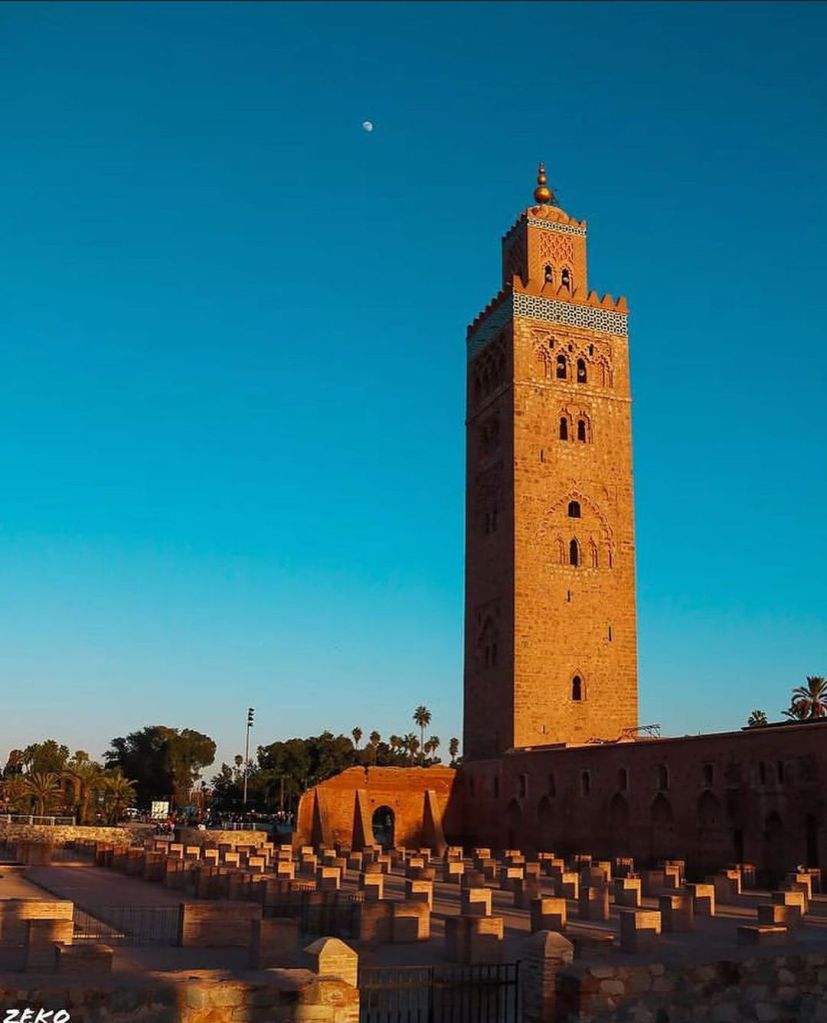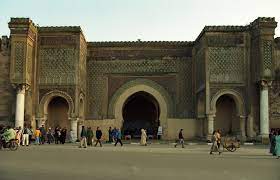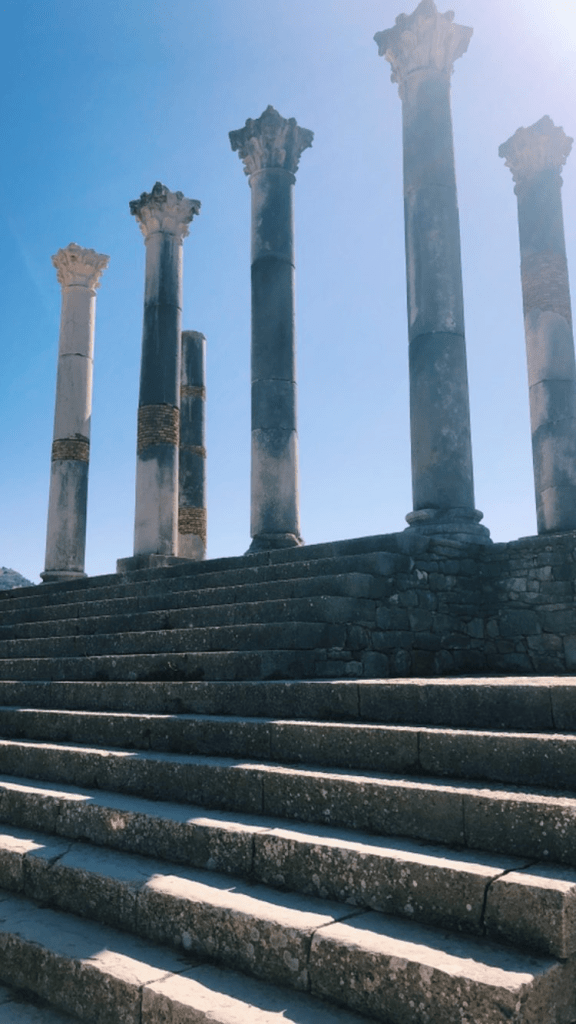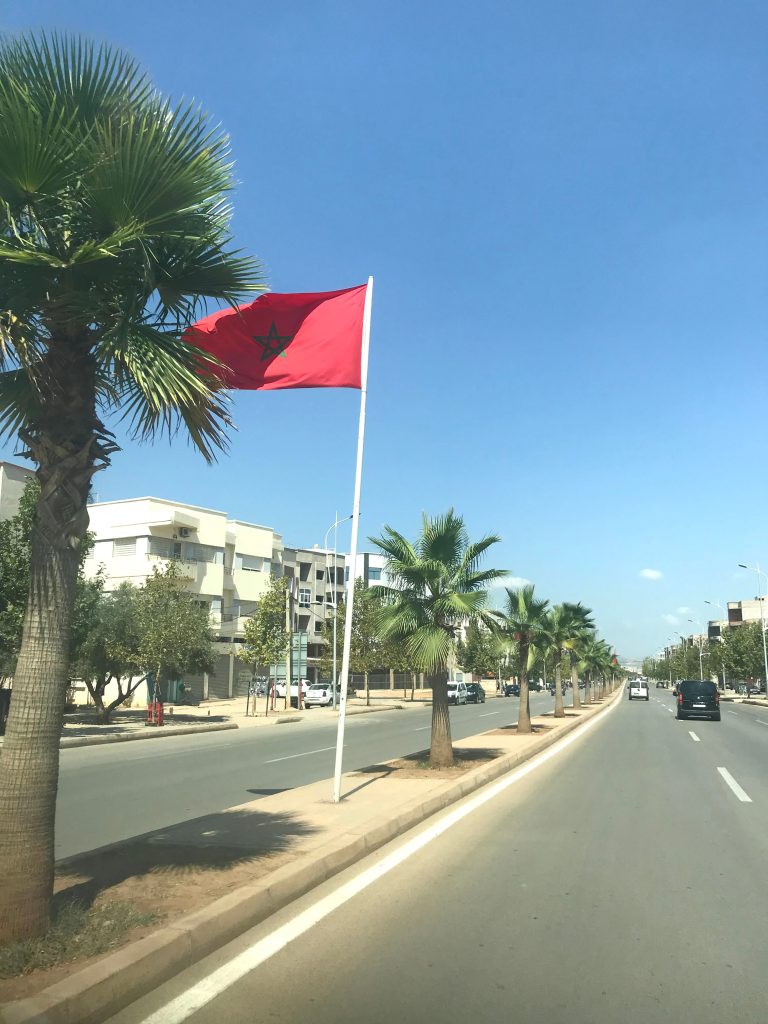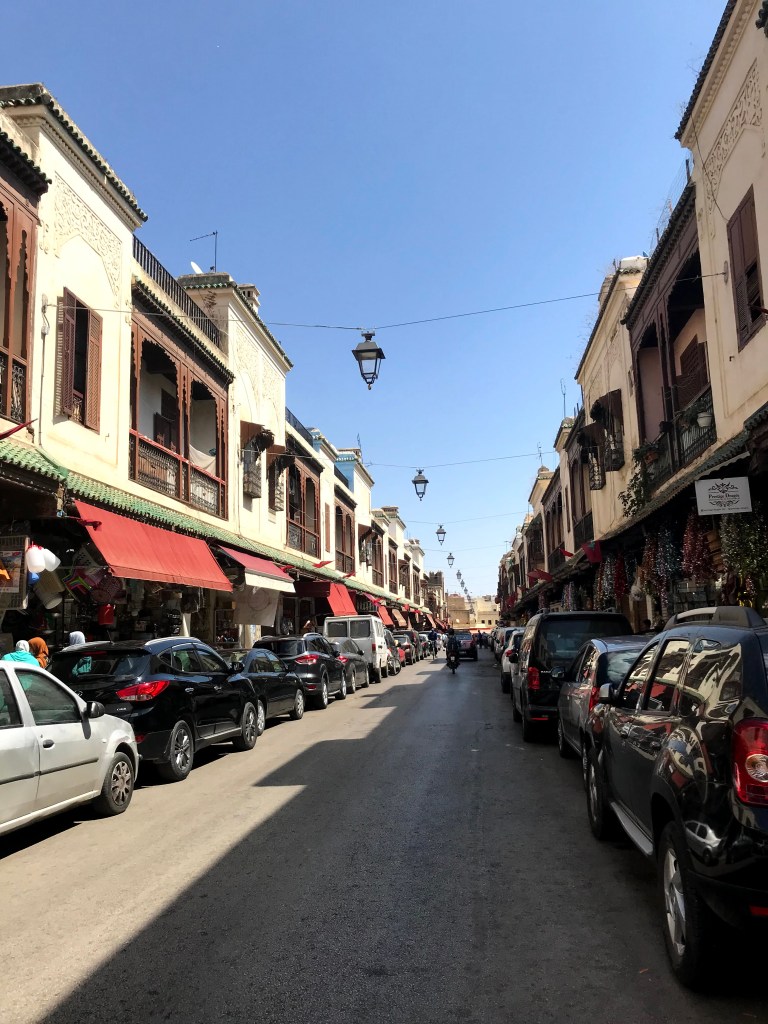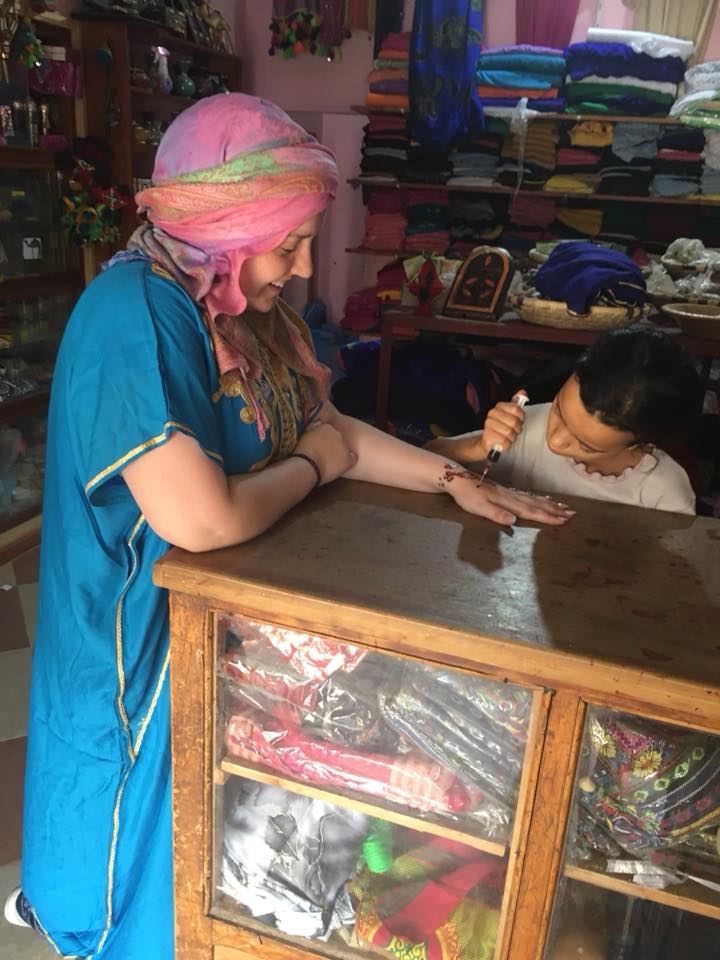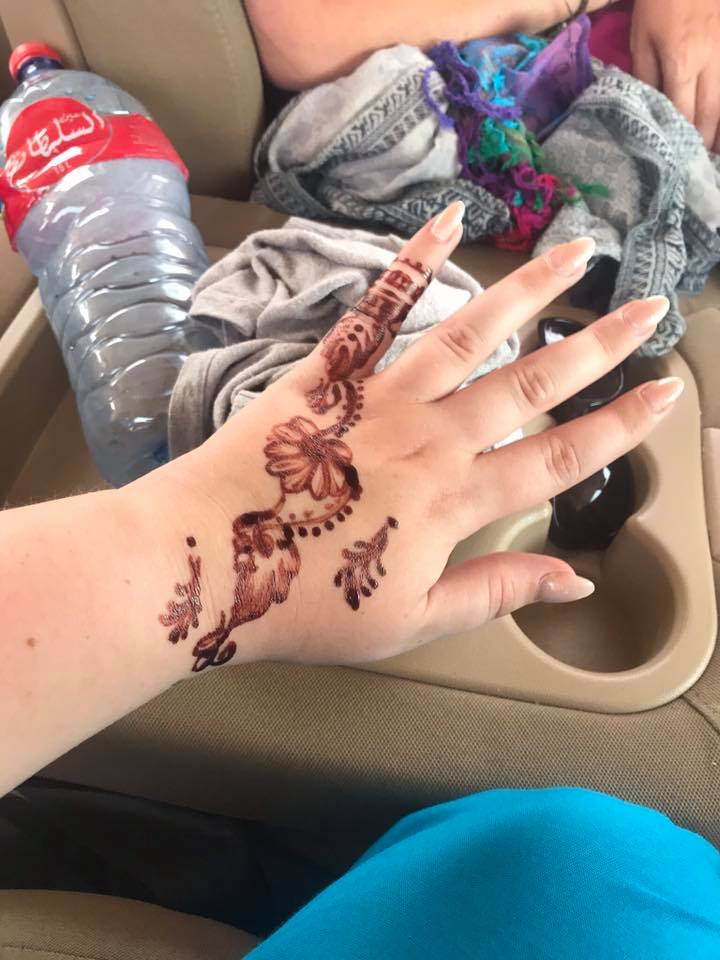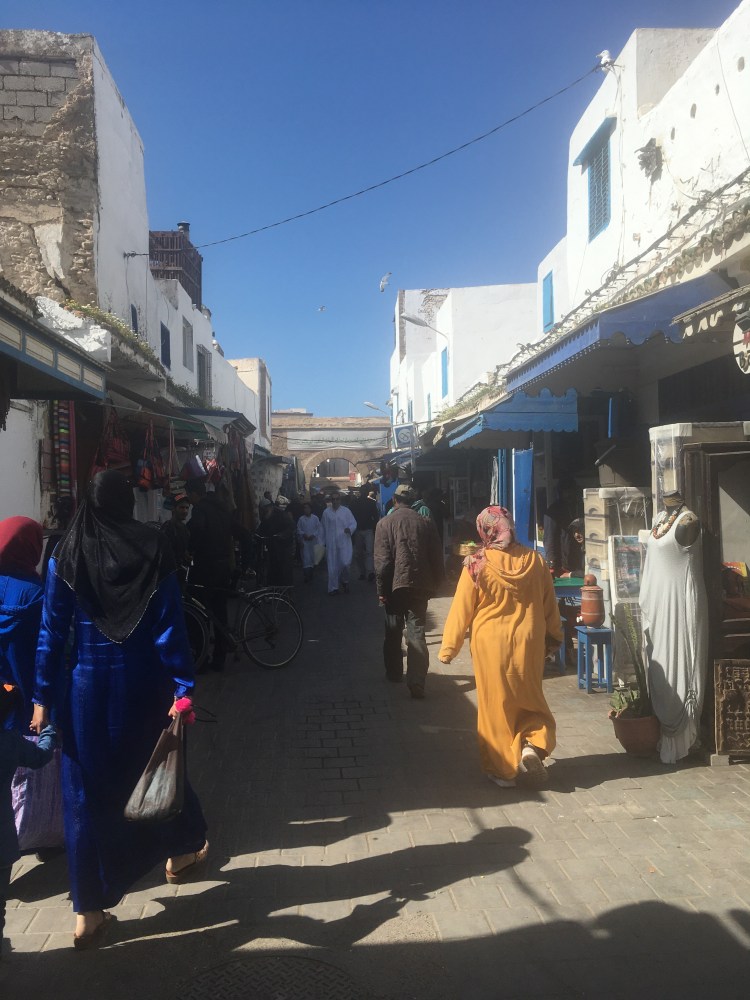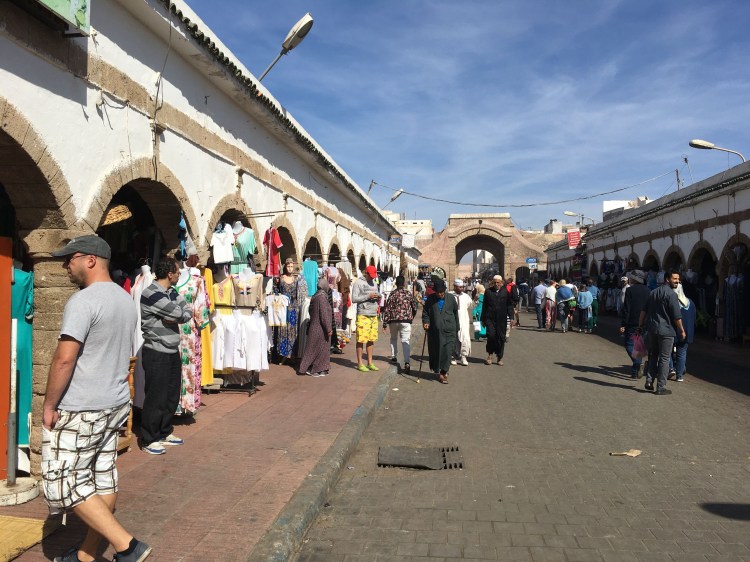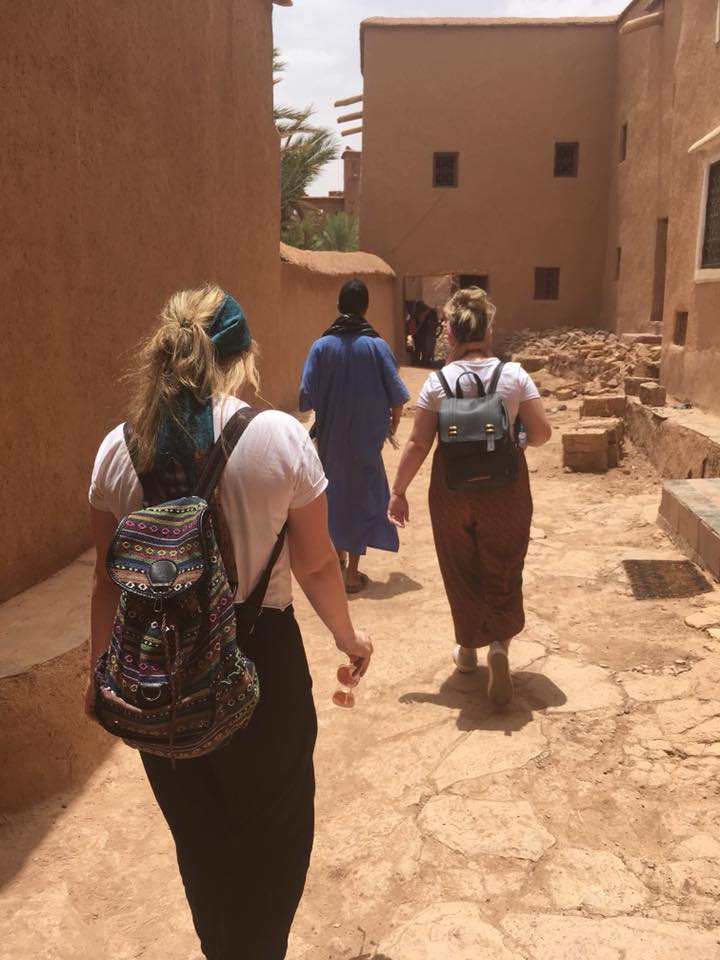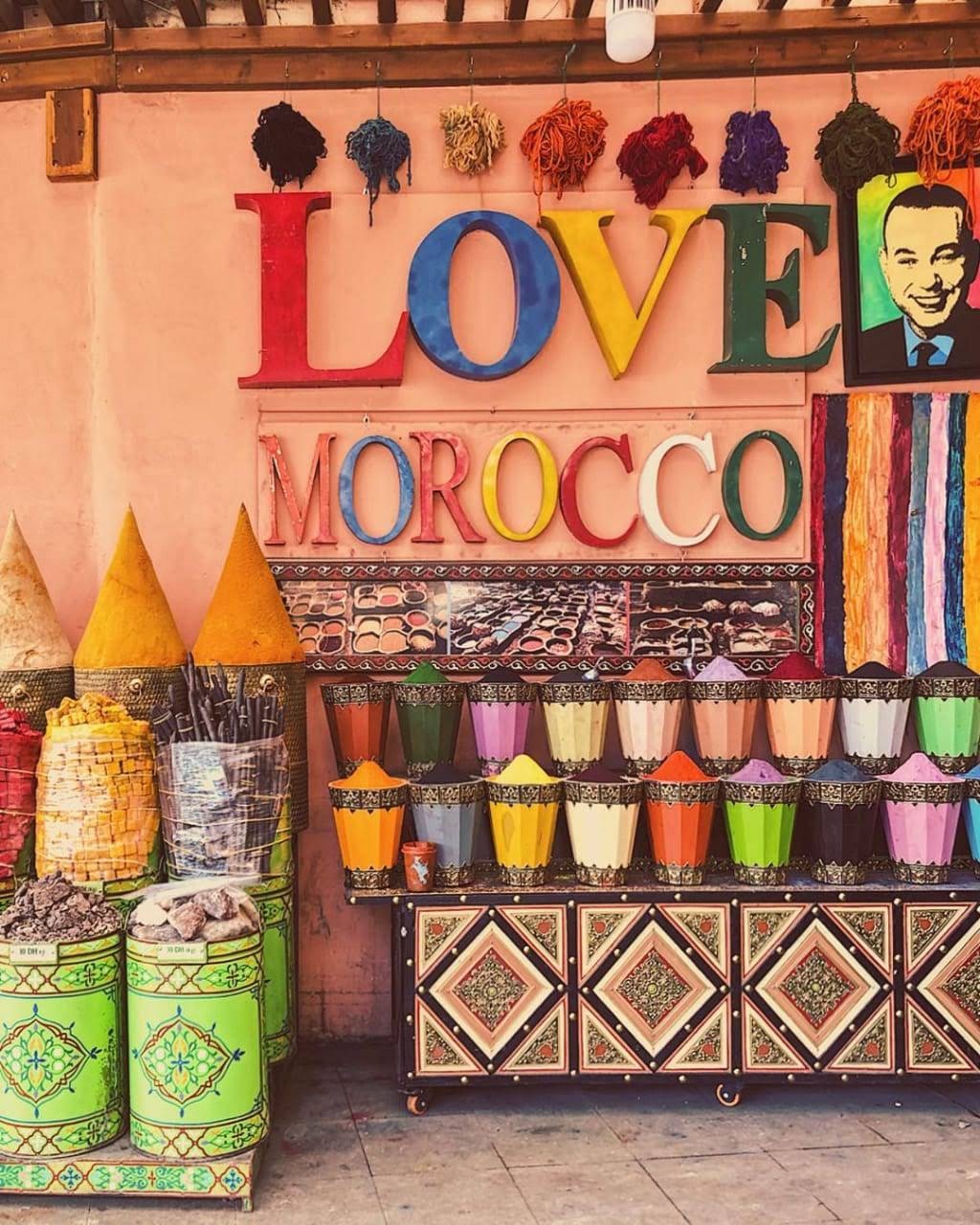
Marrakech is possibly the most important and most visited of Morocco’s four former Imperial Cities – Fez, Meknes, Marrakech and Rabat. An area that has been inhabited since Neolithic times, it has been subject to very many cultural influences. The walls and buildings that were constructed using red sandstone during the 12th century have given the city the nickname of the ‘Red City’. Marrakech is a cultural, religious and trading hub of the Marrakech-Safi region, and the market centre Jemaa el-Fna is the busiest trading square in Africa. When you visit, you quickly realise just how much of a market city it is – it is noisy, busy, crowded and chaotic! As you walk through the medina – the central market area – you’ll see that everyone is trying to sell you something: food, clothes, carpets, spices, jewellery, henna tattoos, pictures with snake-charmers, magicians and acrobats! While it can be hectic, it is also one of the most fascinating, amazing and unique places to visit!
The Souks
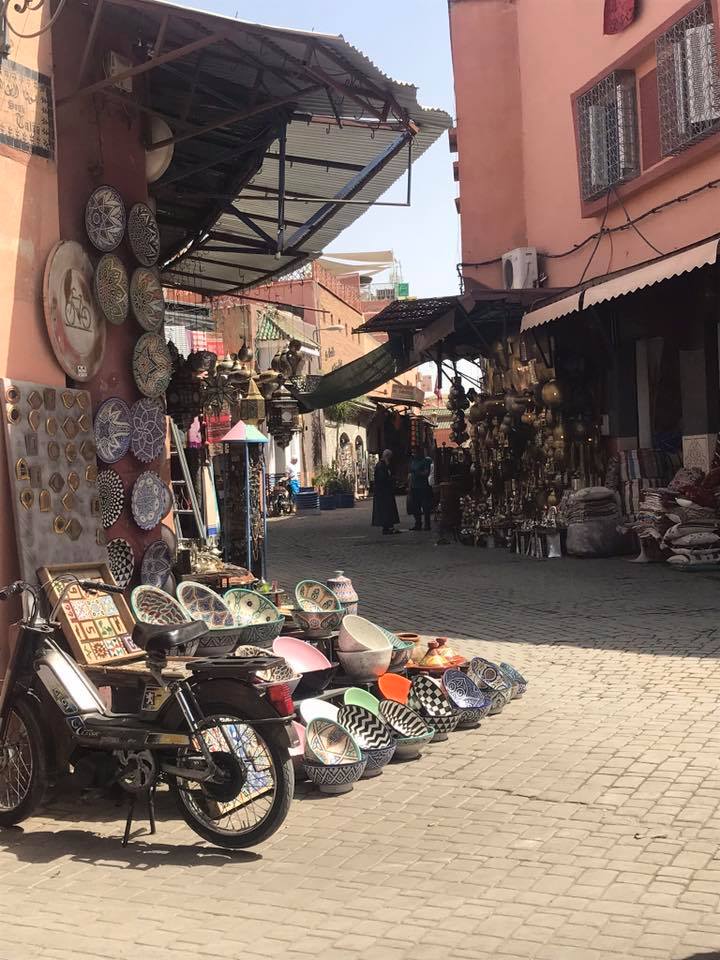
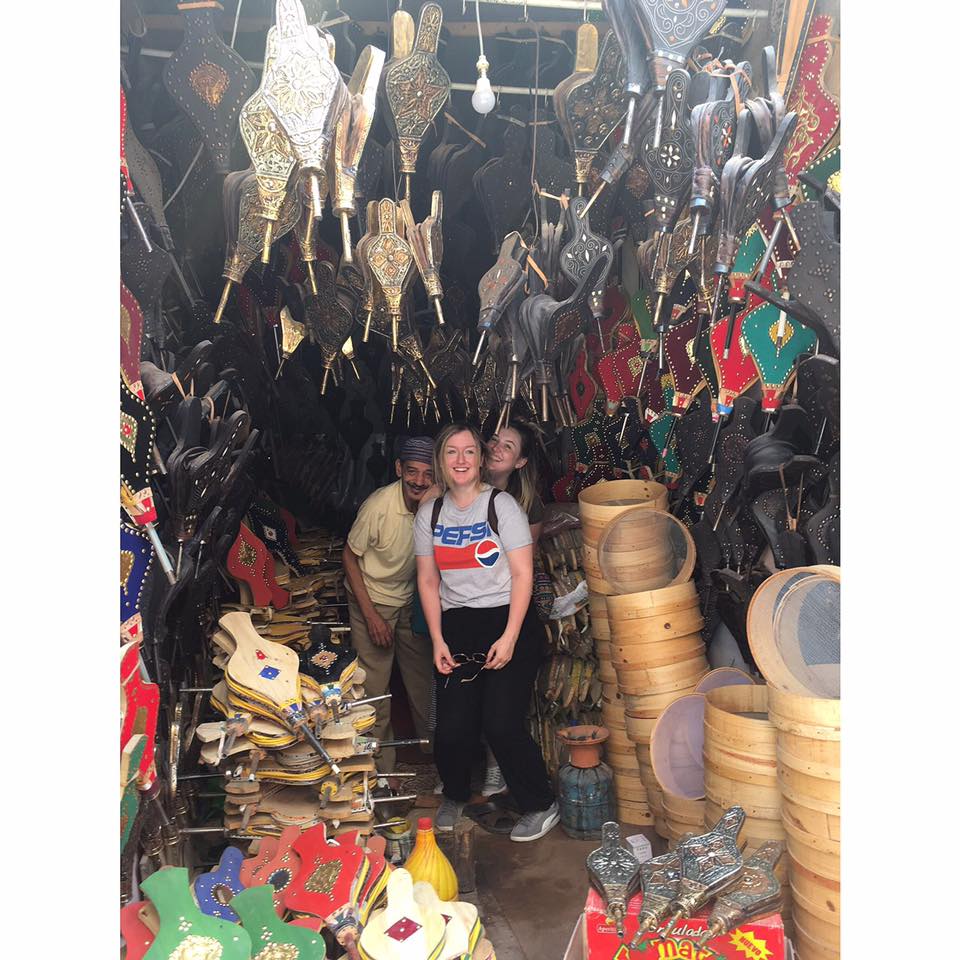
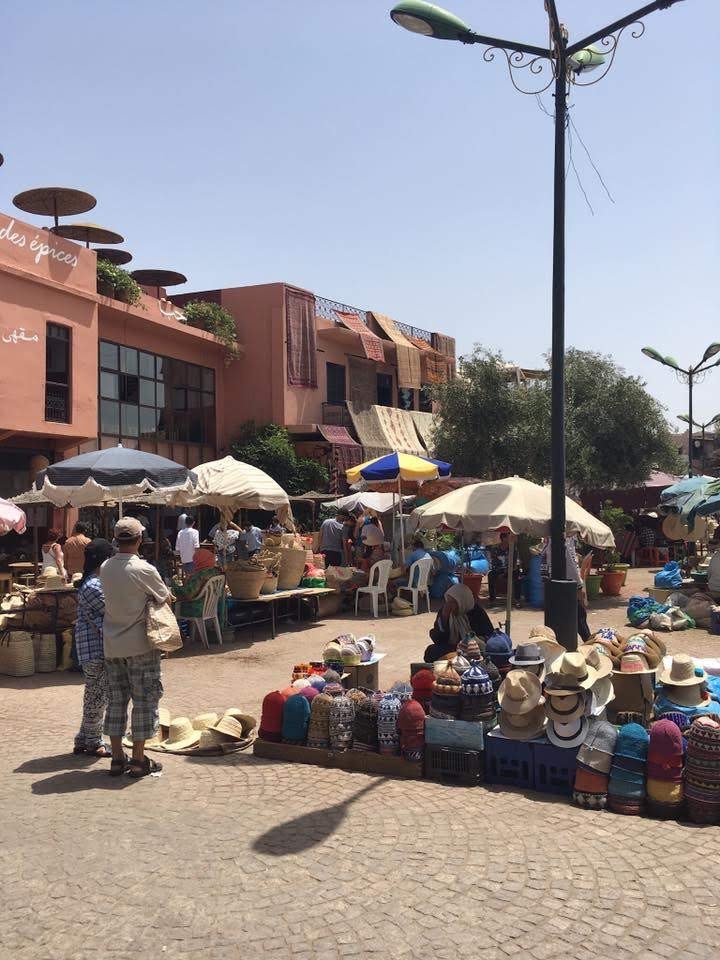
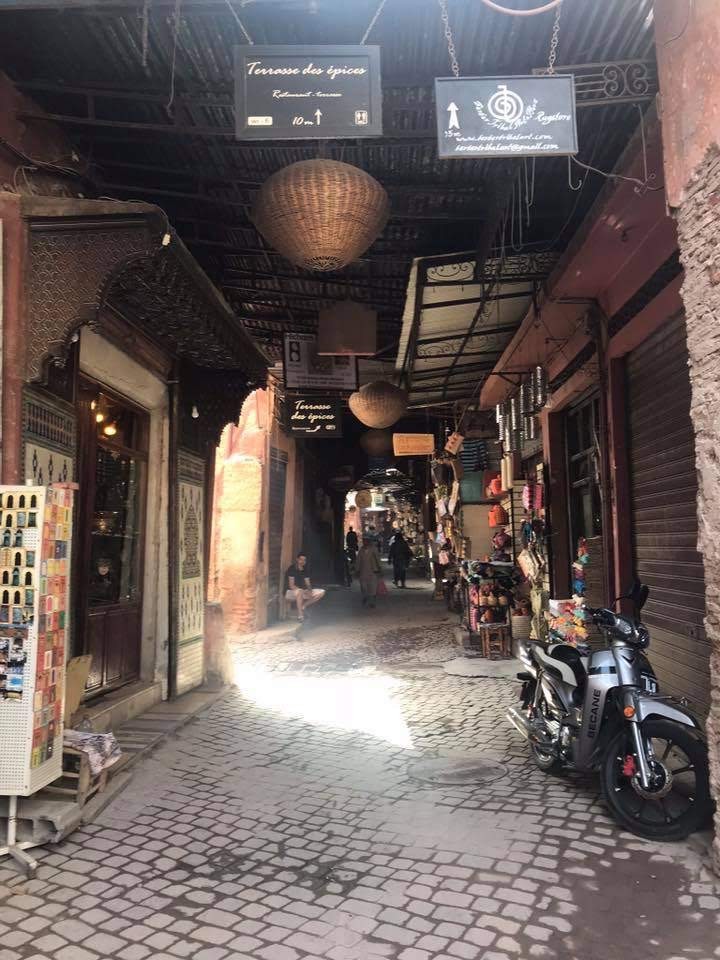
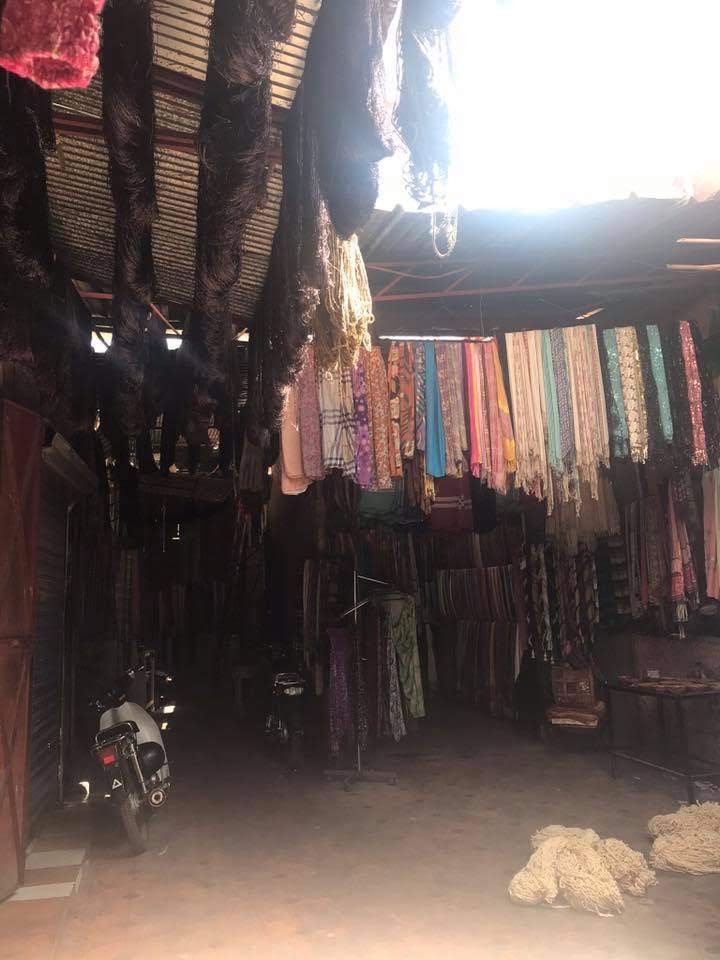
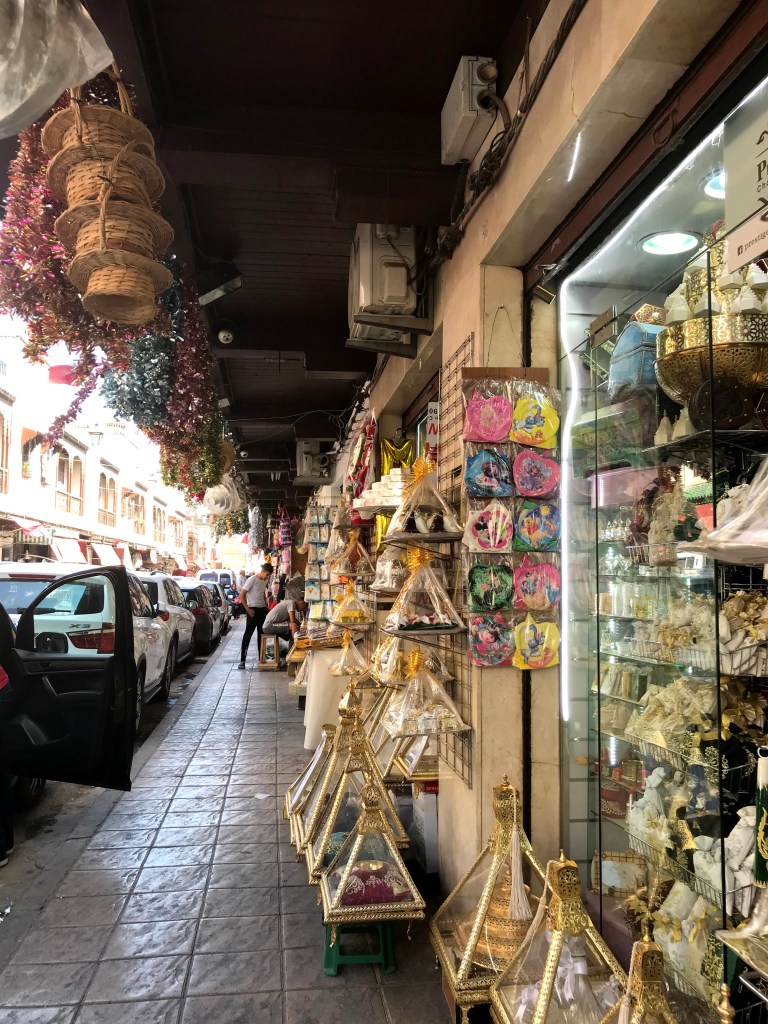
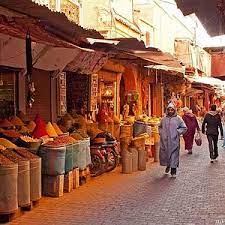
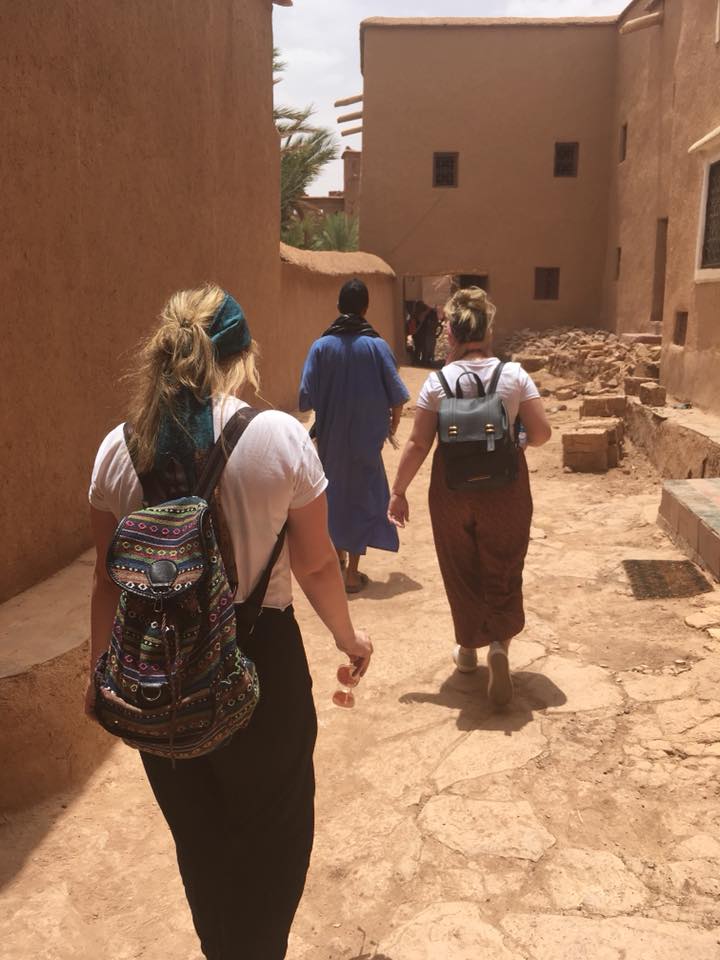
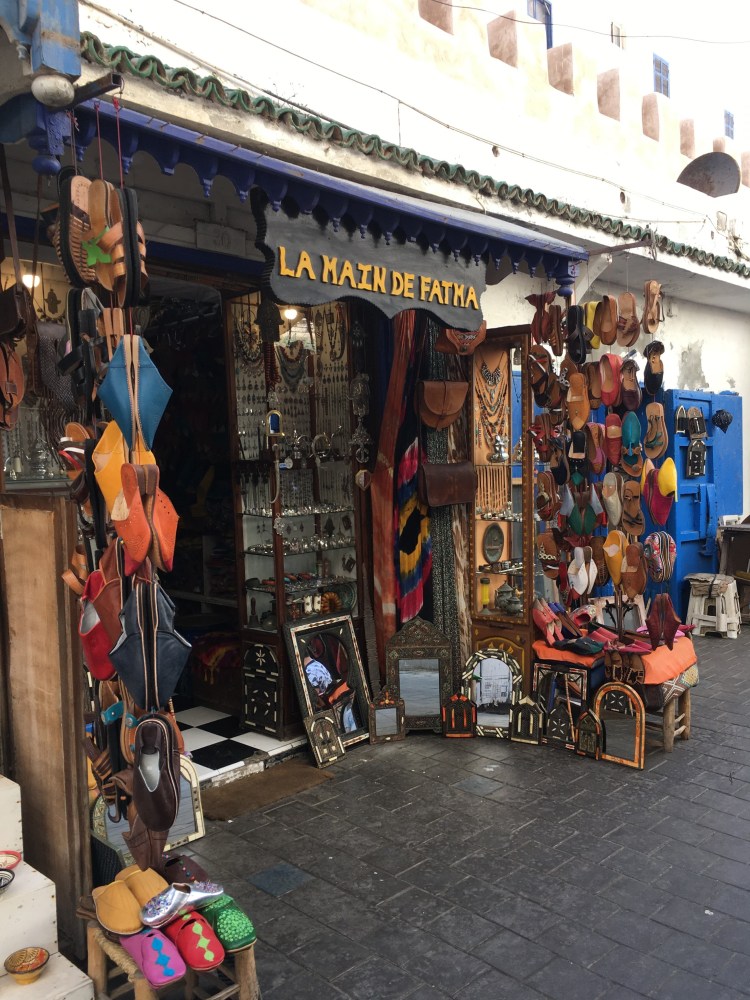
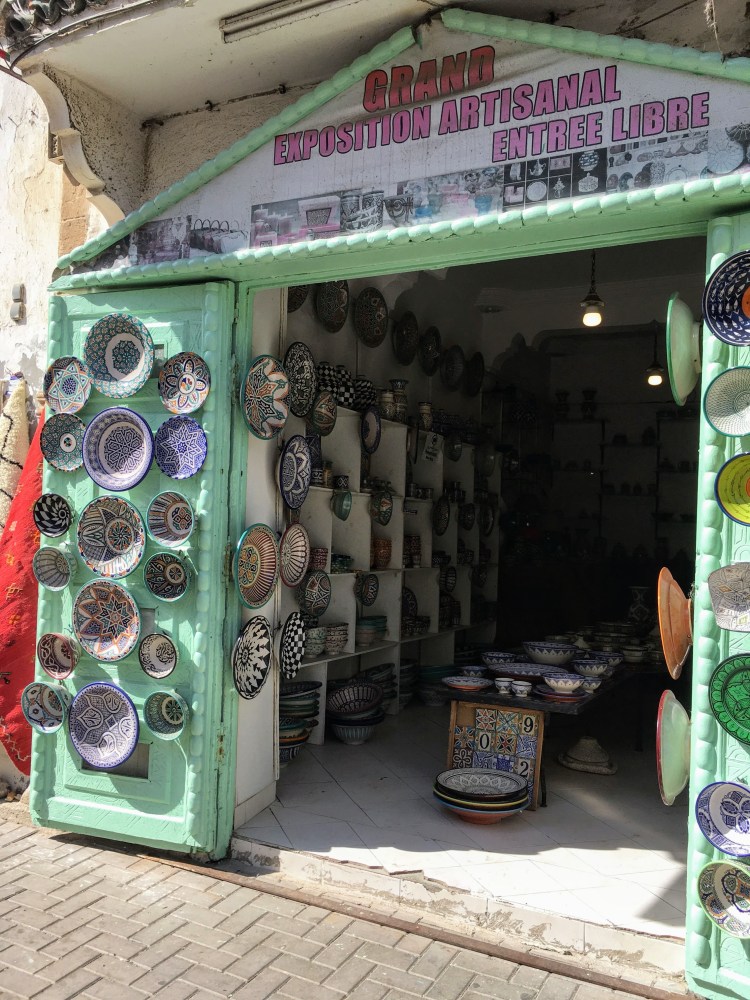
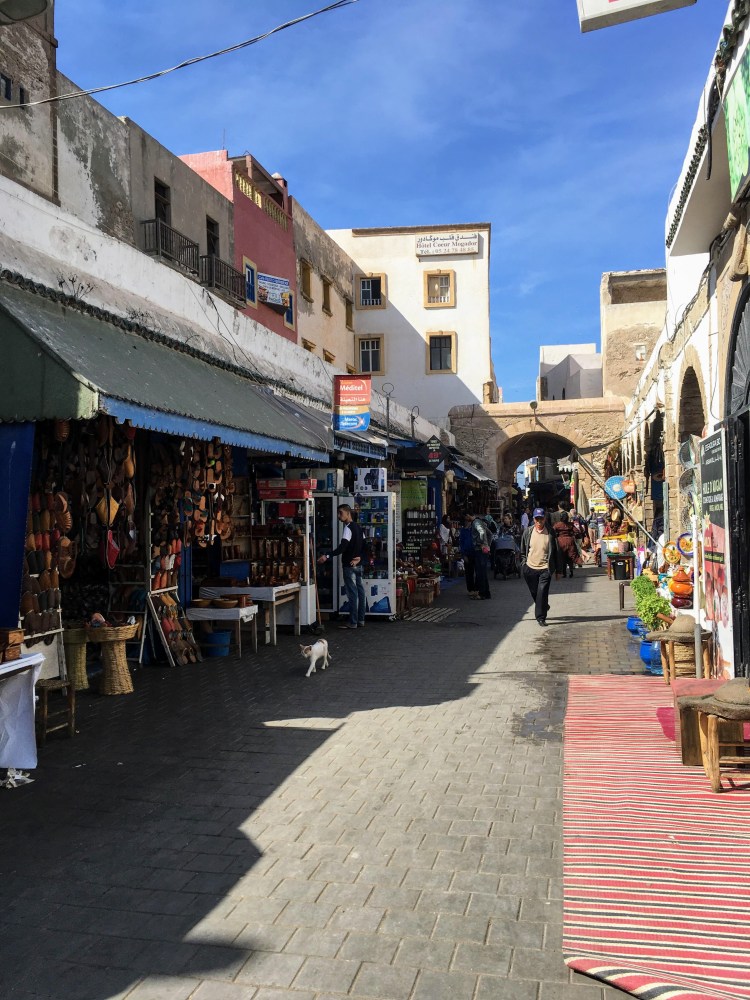
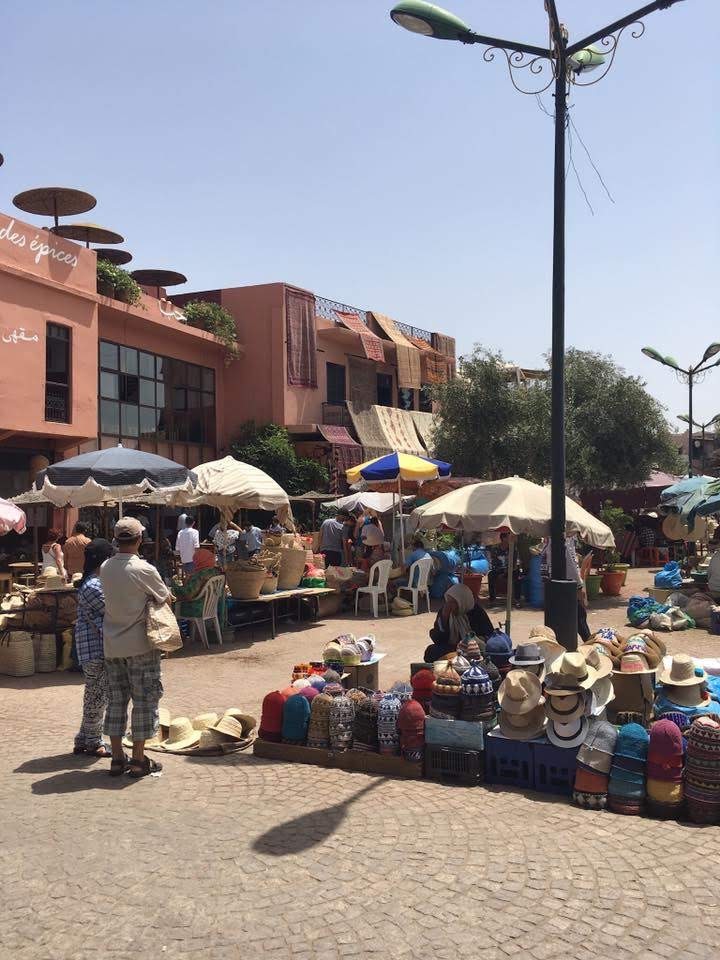
One of the best experiences we had when visiting the city was wandering around the local souks – the market stalls within the city where traditional craftsmen sell goods like carpets, jewellery, spices, lamps, pottery and more! Again, it can be a hectic experience! When we visited, we asked the Riad we were staying in to help us to organize a local guide to take us around the city on the first day. The guide was very helpful. He asked us what we were interested in seeing – we suggested that he just walk around with us so that we could get a ‘flavour’ of the city, so that on our next few days there we would have an idea of where everything was. We really wanted to explore the souks, but I was nervous as I had heard from friends who had visited before that they were a bit of a maze. Also, some friends who had been there really didn’t like the souks. They felt that the market traders could be rude and aggressive, and this made them feel uncomfortable. There is a lot of competition among traders and as you walk around, all of the vendors will try to get your attention. You do need to keep your wits about you (and have a bit of a sense of humour!) – Moroccan people are very friendly and welcoming, though, and as long as you are as careful as you would be in any other city, it will find it to be a unique experience!
Jemaa El-Fna
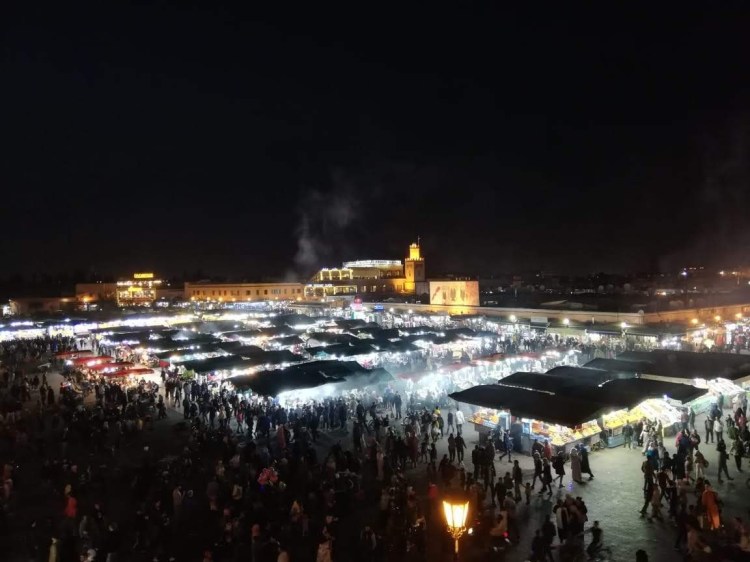
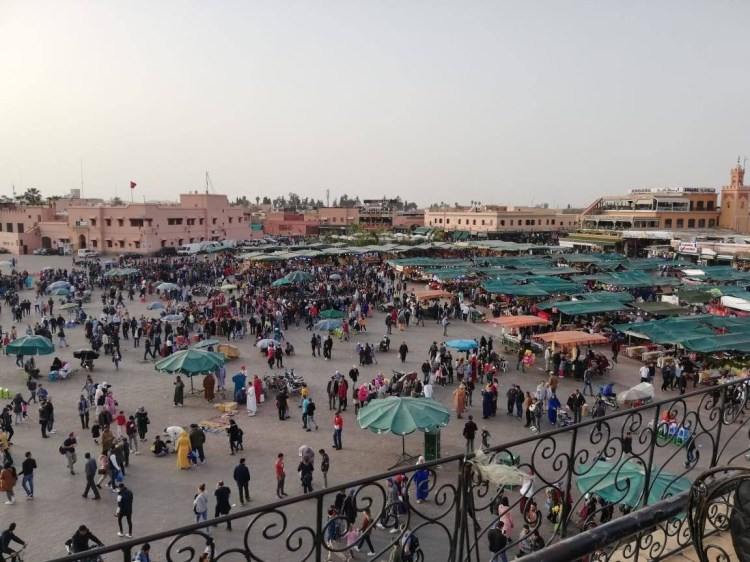
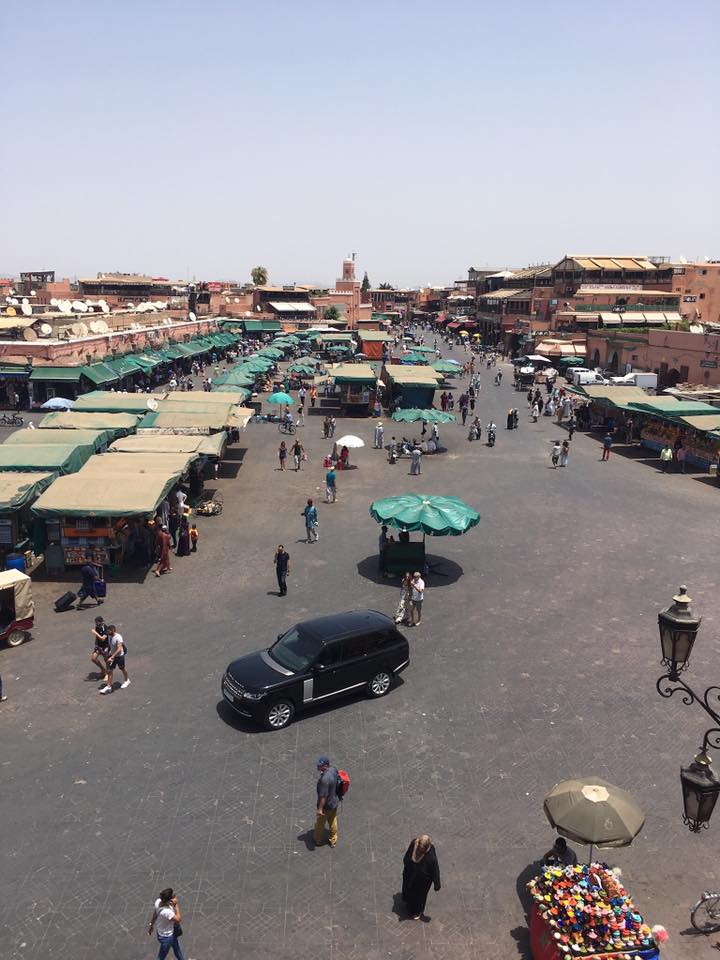
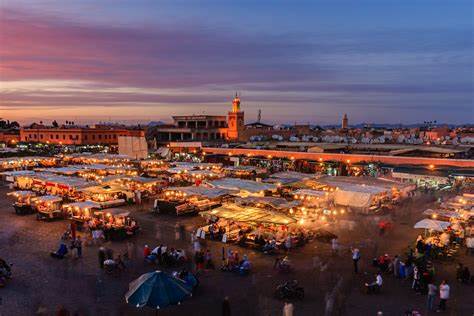
This central square is often called the ‘Heart of Marrakech’. We visited in July and, during the day when the temperature is at its highest, the square was quite quiet. At night time, though, when the temperature is more comfortable, the square changed. This is when it really came to life and the theatre began! It was full of snake-charmers, monkey-handlers, tattoo artists, musicians and other performers. There were also a lot of food stalls around and the delicious smells of exotic spices filled the air.Again, it can be hectic and crowded and is usually filled with tourists. You do need to be aware that sometimes some of the vendors and performers can ‘aggressively’ try to sell goods, pictures and henna tattoos to tourists. As you are exploring, remember that it is ok to say ‘no’ and walk away from something you don’t want to buy! That said, it is one of the most amazing places you’ll ever visit!
Moroccan Hammam
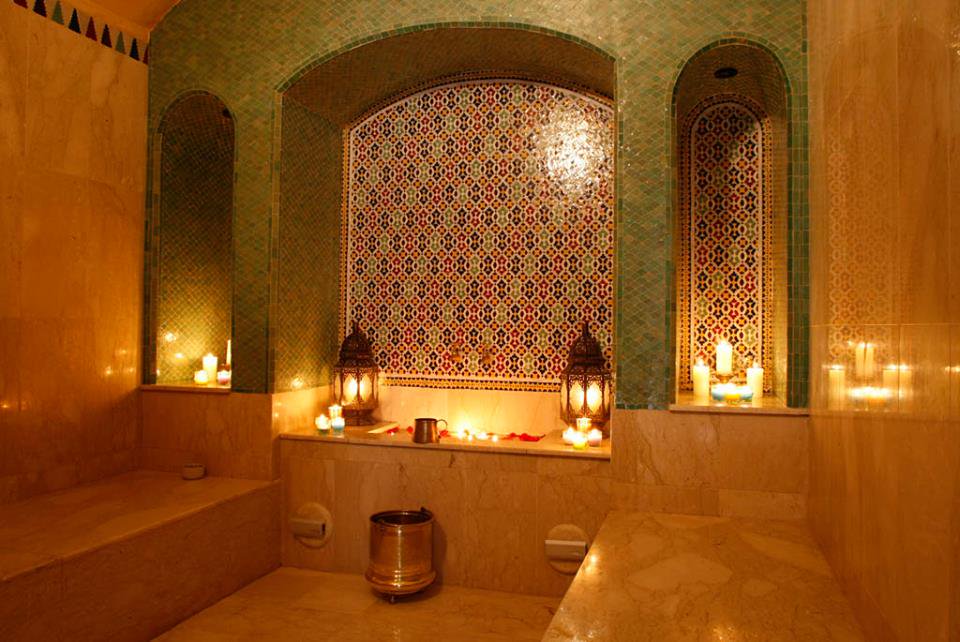
A hammam is like a steam bath or spa popular in North Africa. They are usually found near mosques or toiletry shops and can be upscale or traditional. I would advise checking in before you visit to find out about the particular etiquette of the hammam. Public hammams cost around MAD 10, while hotel or more upscale ones can cost from MAD 300-500. You can also treat yourself with a massage or other body treatments with fragrant, locally sourced body oils and lotions!
We didn’t try a hammam in Marrakech the first few days we were there, but at the end of our stay we spent a few days in a hotel outside Marrakech and there was a traditional hammam here that we visited. It was a different experience for me! I’ve had spa treatments in Ireland (where I live) and in some other countries. When the lady who was giving me the treatment asked me to remove all my clothes I was a little nervous – I realize us Irish can be a little uptight about these things, though! I was washed and scrubbed and moisturized from head to toe – even my hair got washed! I did enjoy the experience and was glad that I did it, but do check the particular etiquette beforehand!
Bahia Palace
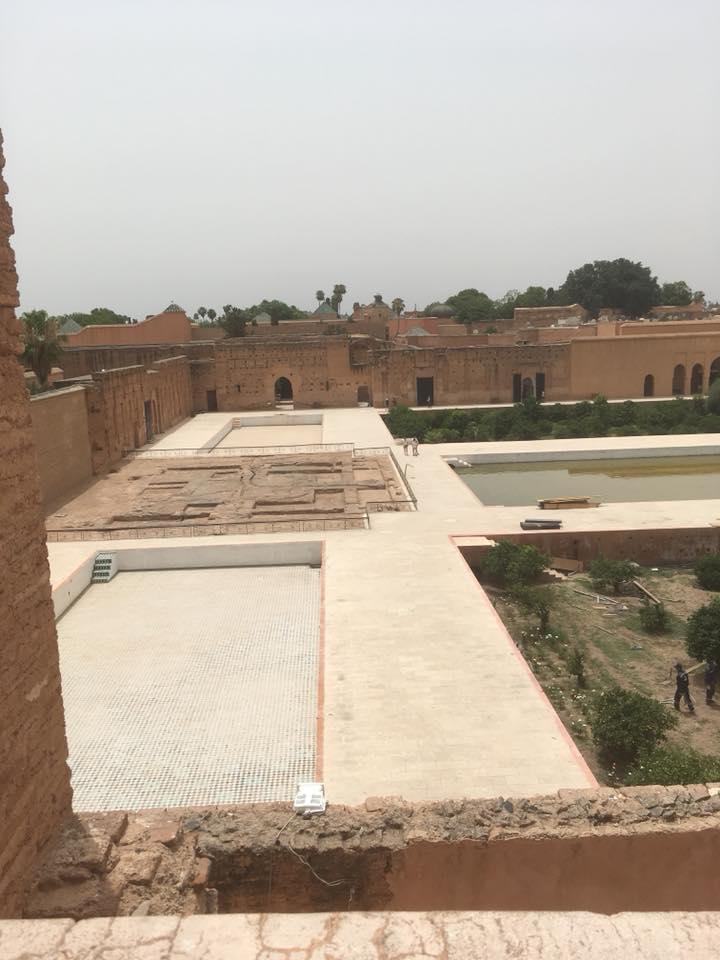
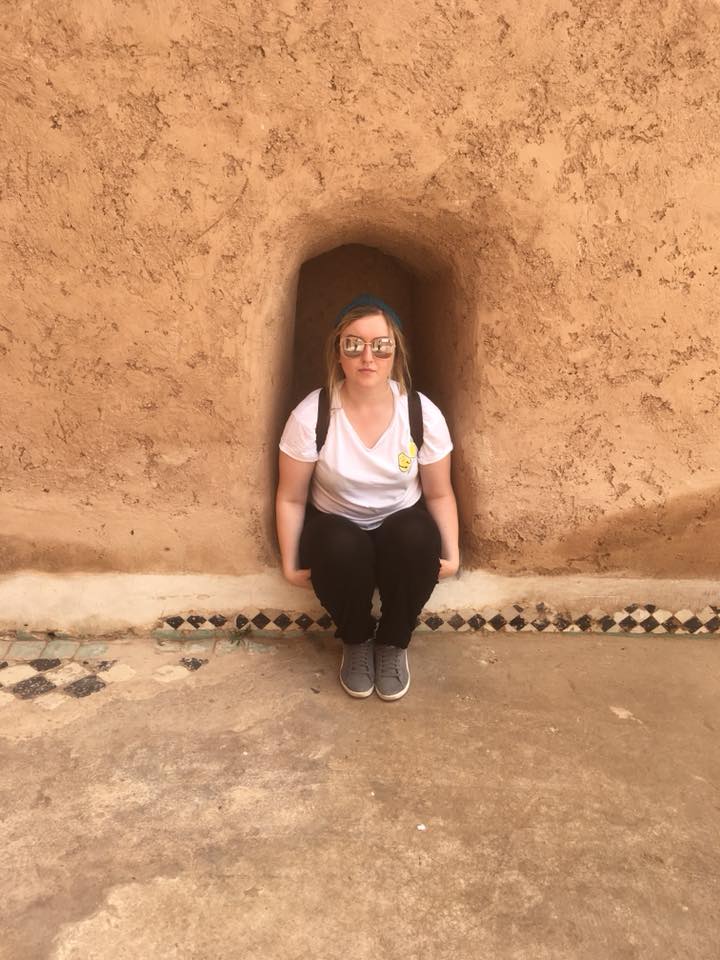
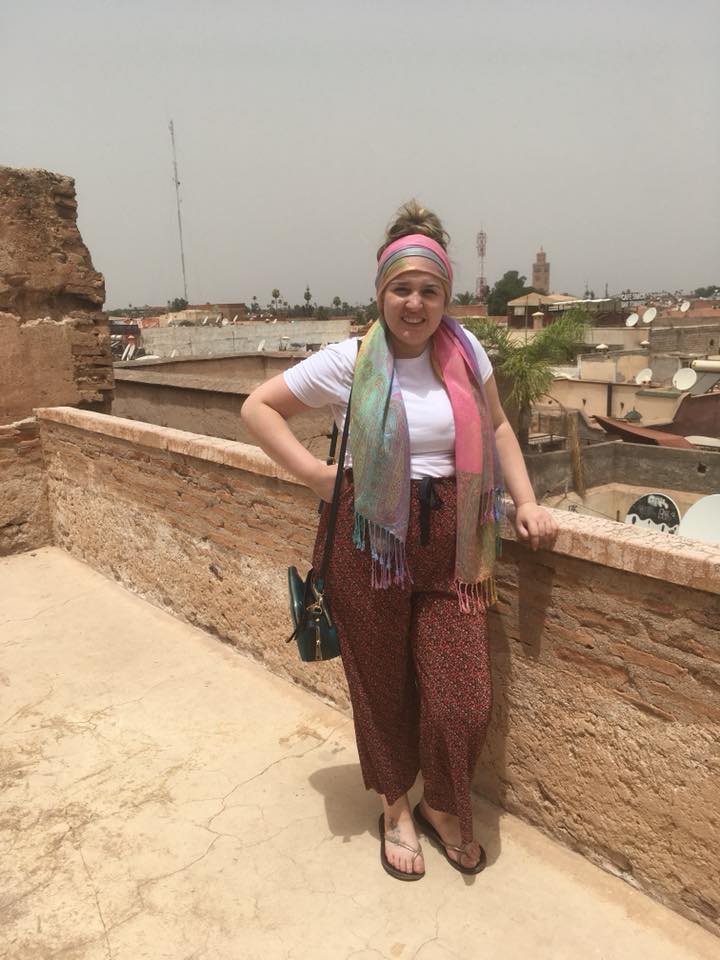
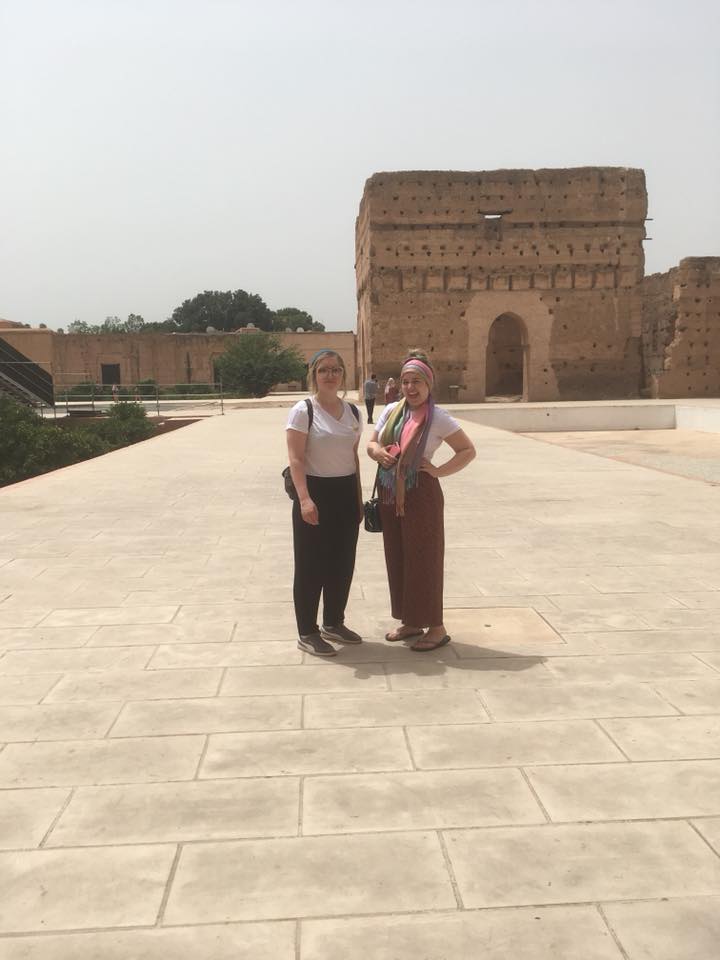
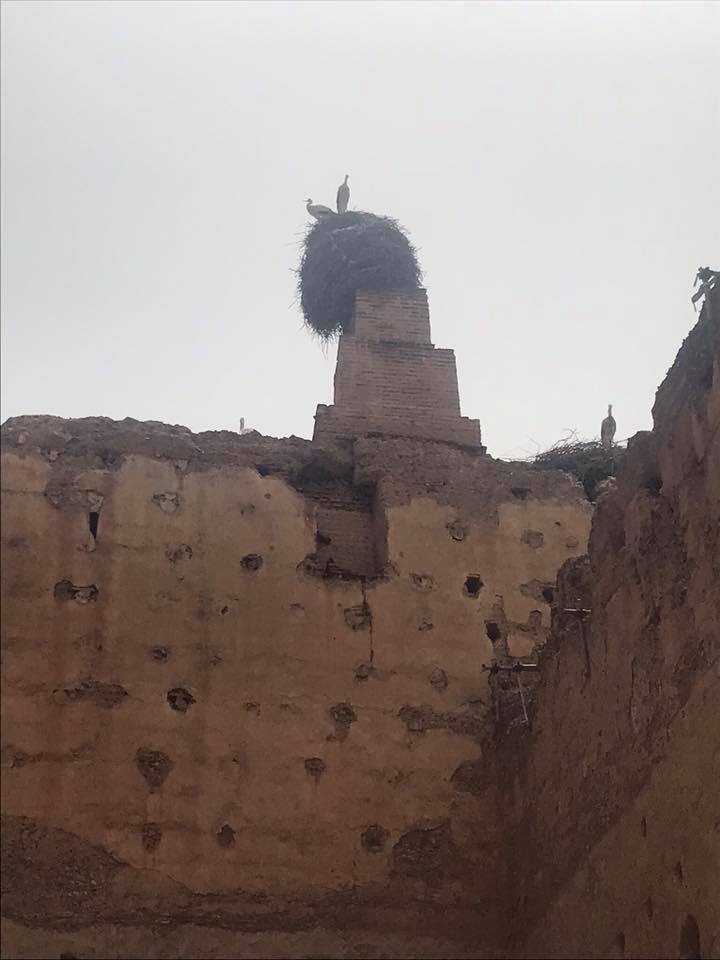
The Bahia Palace took over fourteen years to build and has 150 rooms – however, only some of the palace is open to the public. It is definitely worth a visit and the stained-glass windows, painted tiles and ceilings and silk panels are breath-taking! There is also a beautiful courtyard garden that you can walk around. Best to arrive for your visit early or a little later in the afternoon – it will be less busy and easier to walk around if it is very hot! The entrance fee is MAD 10.
We took a trip there early enough in the morning. It wasn’t too crowded and moving around was comfortable, although it was quite hot. There is information posted around the palace, filling you in on the history and the functions of the different buildings/rooms/courtyards, etc. This was helpful as we didn’t have a guide and I must confess, I didn’t take the time to read up on anything about it before we visited so I was a bit ignorant about the significance of everything.
Jardin Majorelle
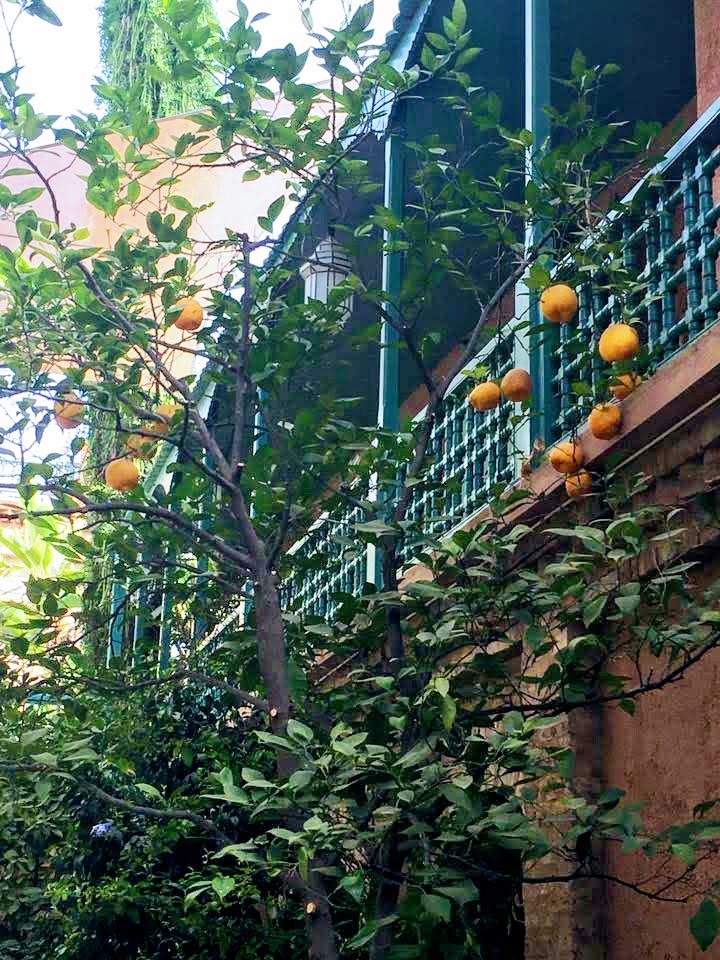
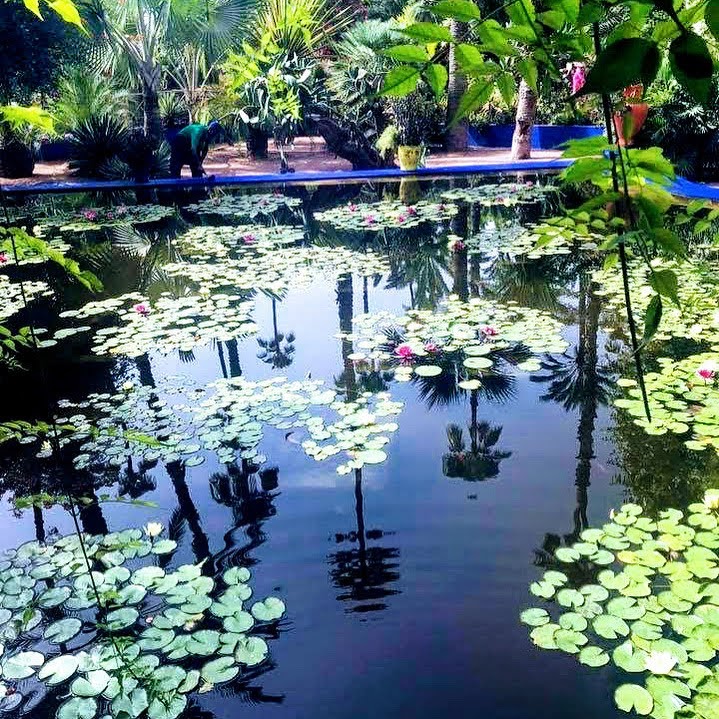
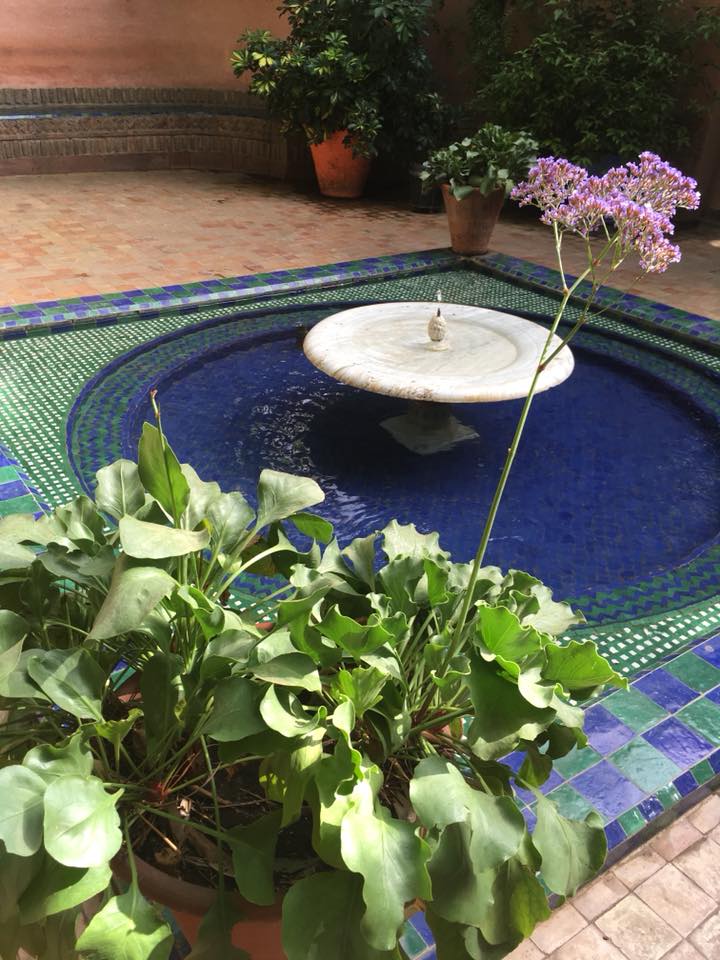
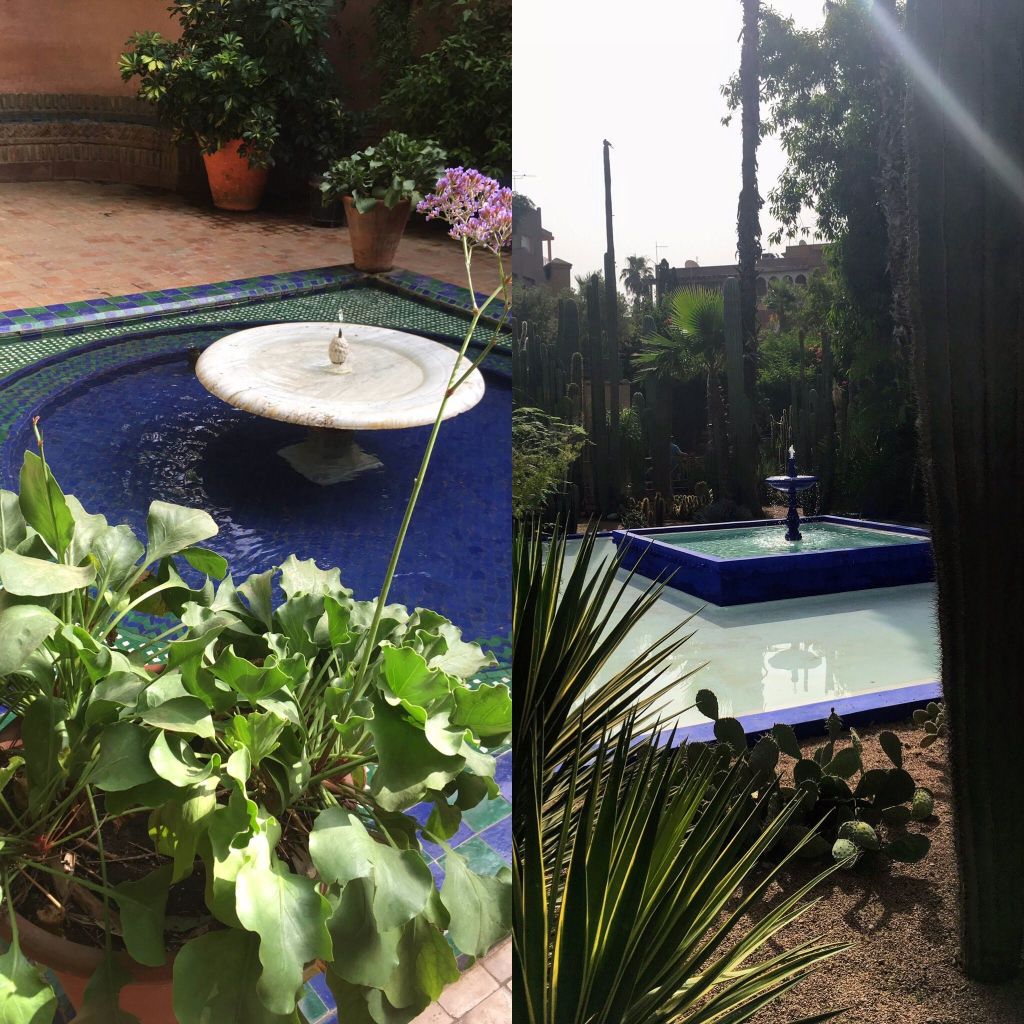
This garden is a collection of a large variety of different species of plants from all around the world and was created by the French painter Jacques Majorelle in the late 19th – early 20th century. It is a bit of an oasis away from the business of the city and provides a lot of great photo opportunities! There is a café there, also a gift/craft store and a Berber Museum which is particularly interesting. You can also purchase, as part of your entrance fee, a ticket to the Yves Saint Laurent Museum which is just around the corner. Anyone with an interest in fashion and popular culture will appreciate this. Even without a particular interest in design it is a historical journey and worth a visit.
6. Gueliz District
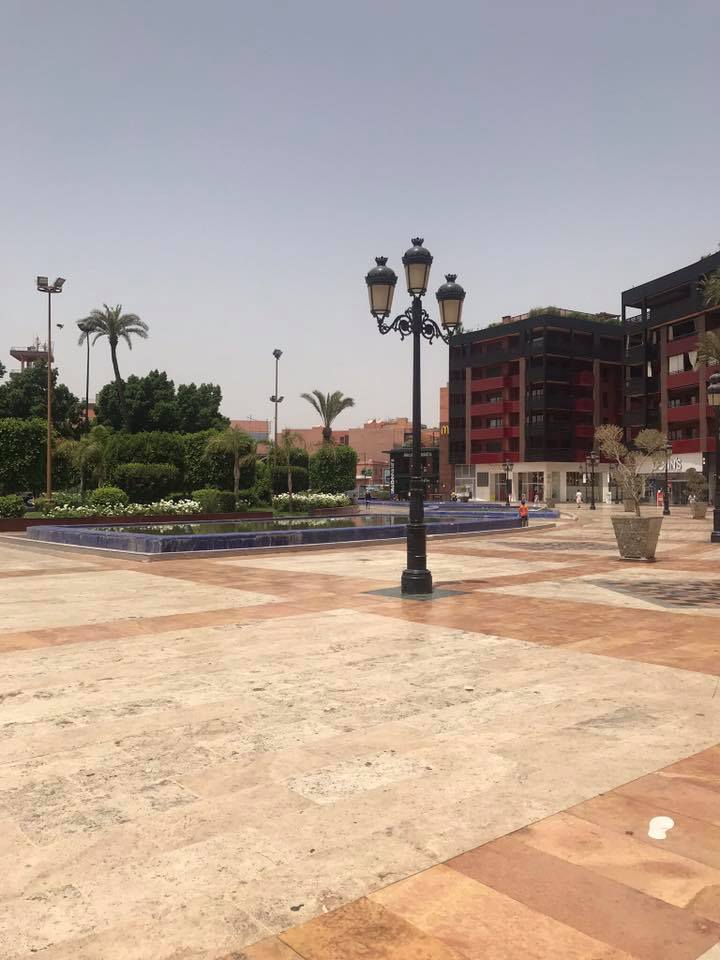
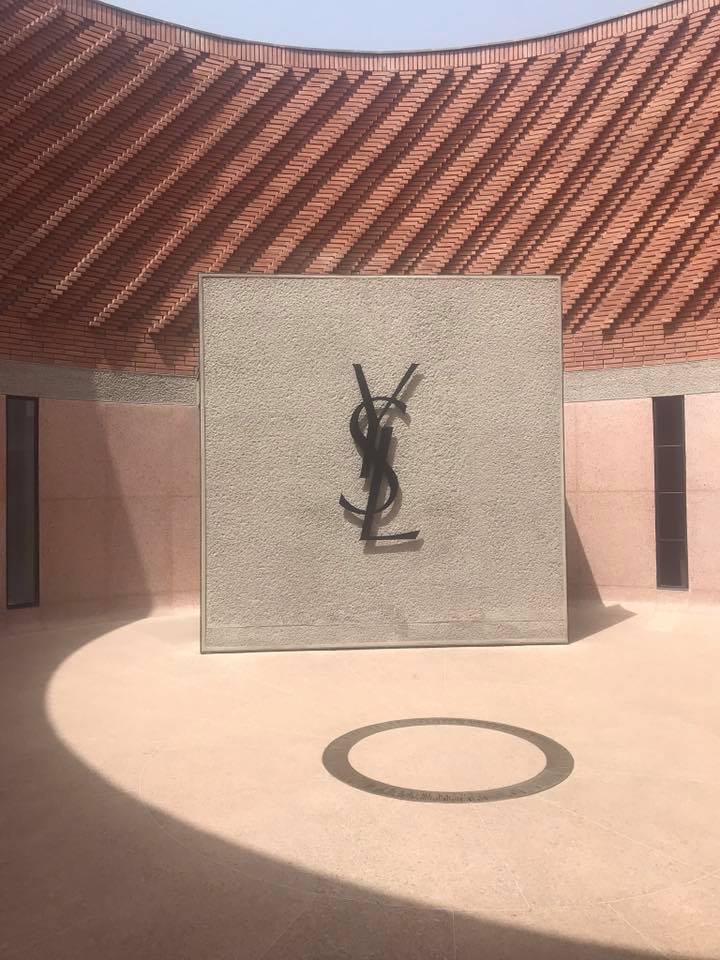
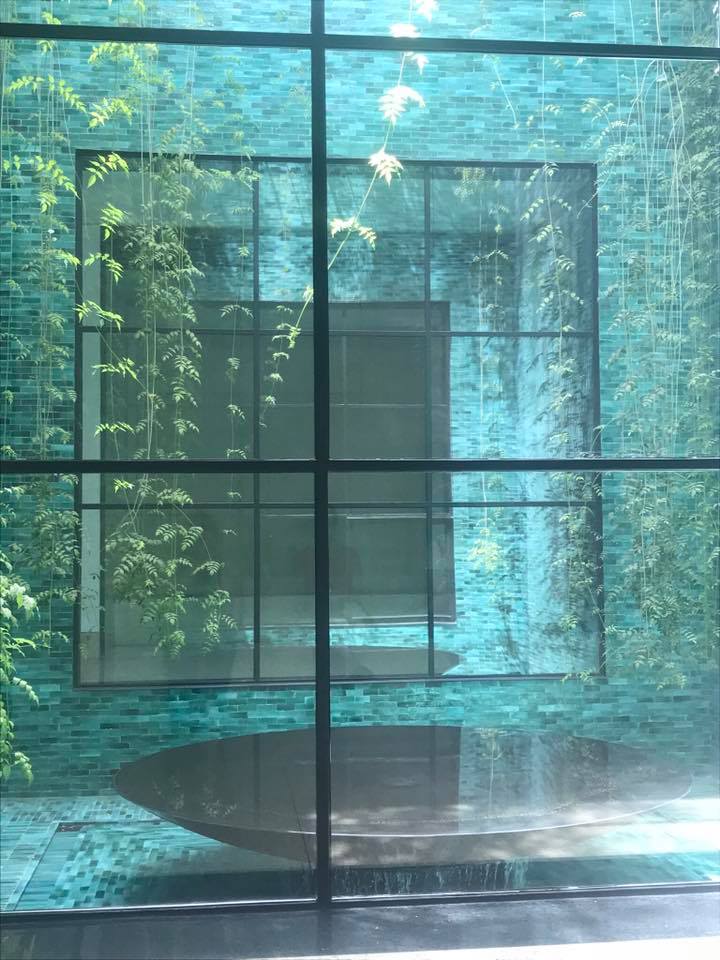
This is the heart of the new part of Marrakech and offers a different atmosphere to the traditional medina with a wider, more ‘French style’ street-scape (the Jardin Majorelle and YSL Museum are located here). The Theatre Royal is also located here, which hosts a variety of cultural events, concerts and dance shows. This is a popular shopping district with popular and upscale stores – an alternative to the souks!
7. Saadian Tombs
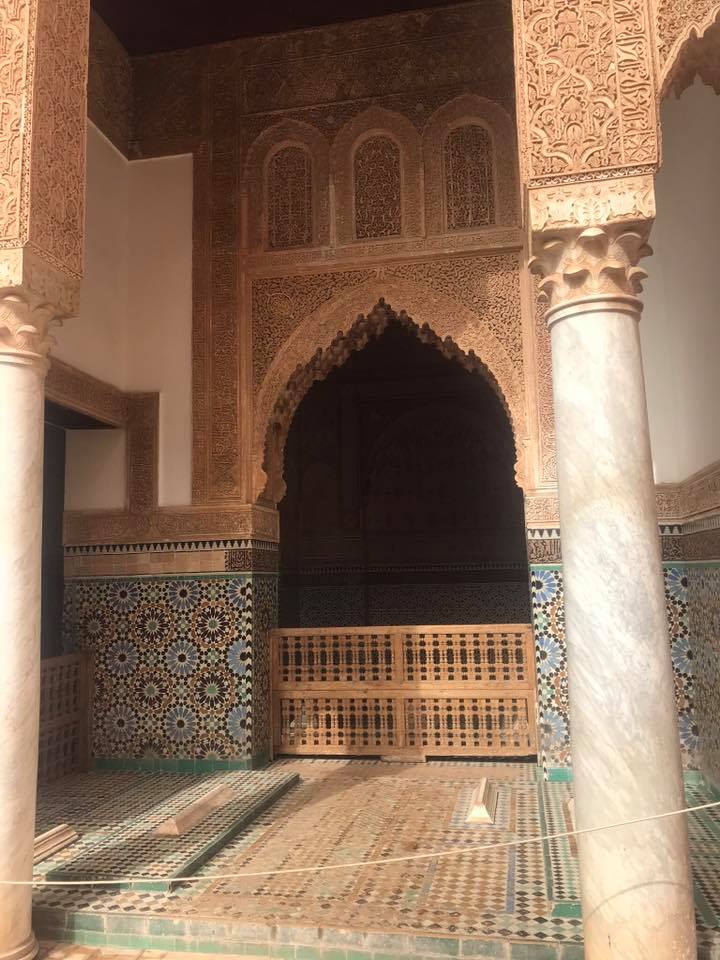
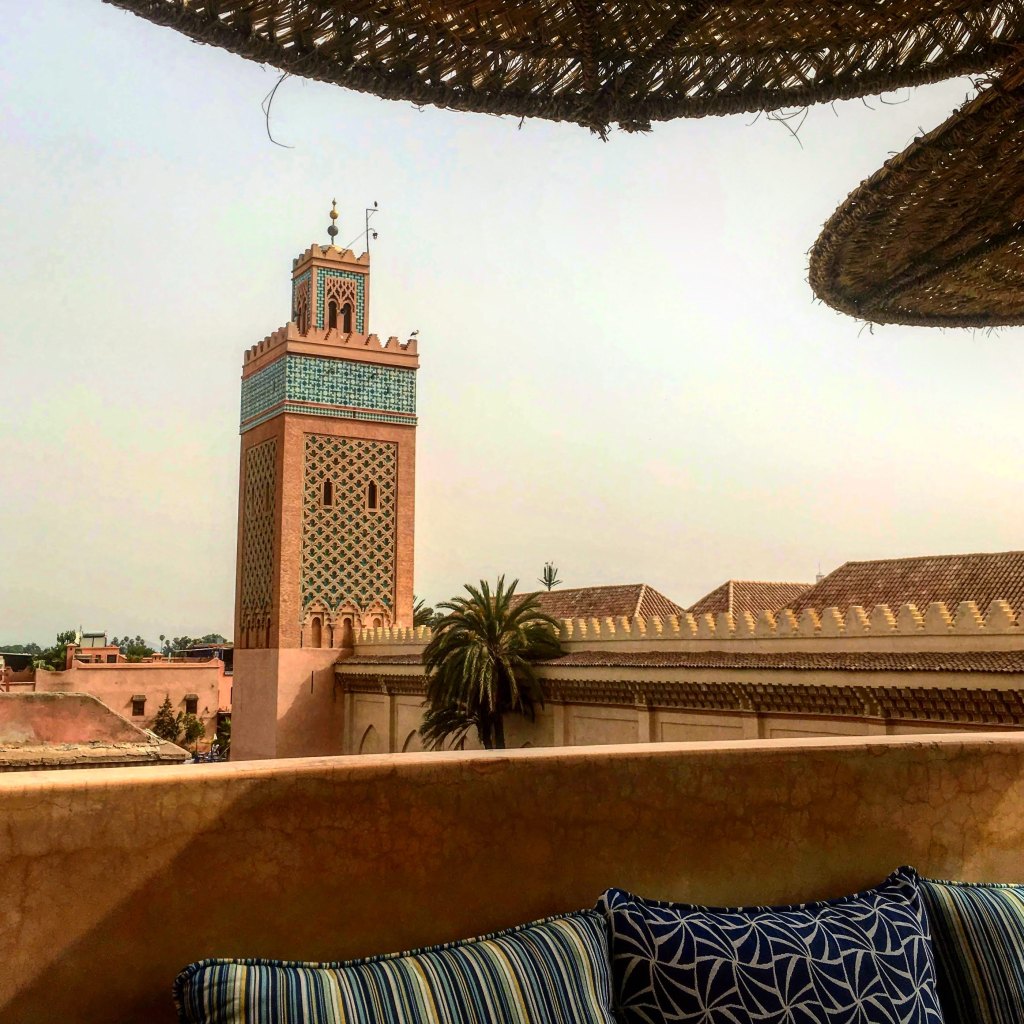
These are tombs that date back to the time of the Saadian dynasty in Morocco, the late 16th century. They are located on the south side of the Kasbah Mosque. There is some beautiful, ancient architecture decorated with intricate, traditional tiling. It is an open-air museum and nice to walk around – there are local guides outside who will offer to give you a tour. It might be worth, in this case, paying for a guide. There is no written information inside – so while it is lovely to have a wander, if you want to know the history of the tombs a guide might be a good idea! The entry fee is MAD 10.
Places to Stay
- Hostels
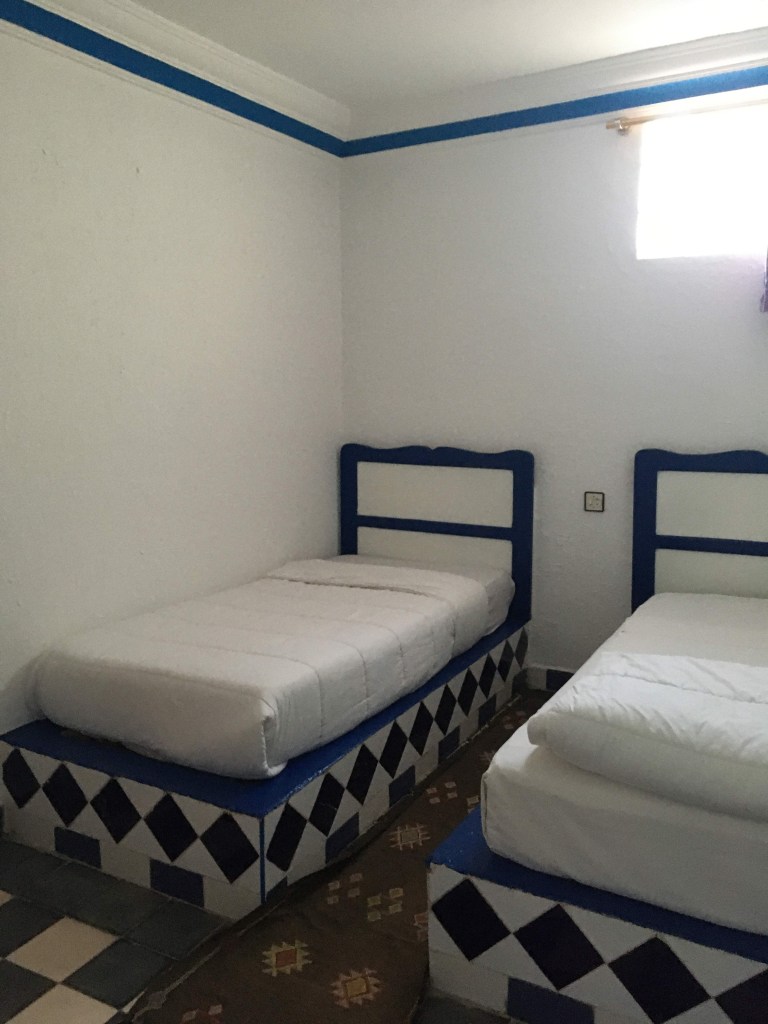
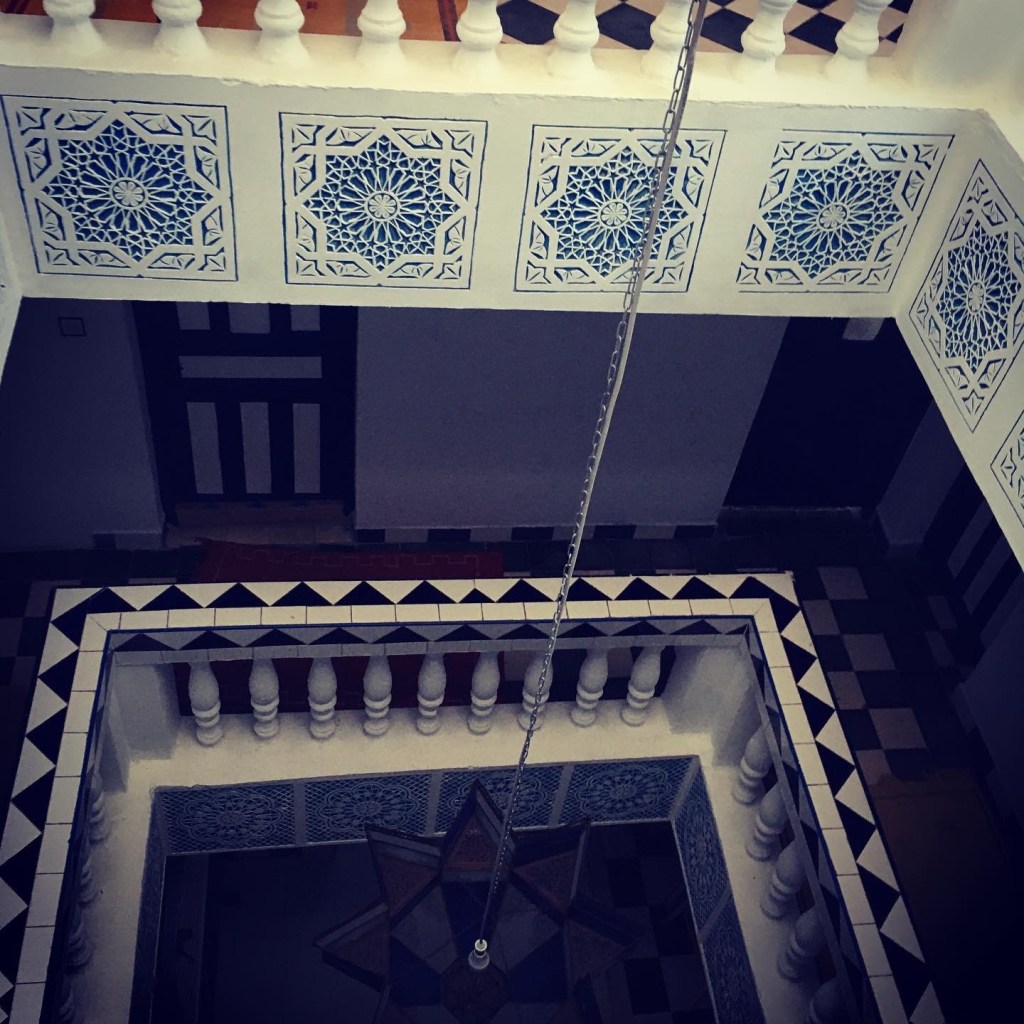
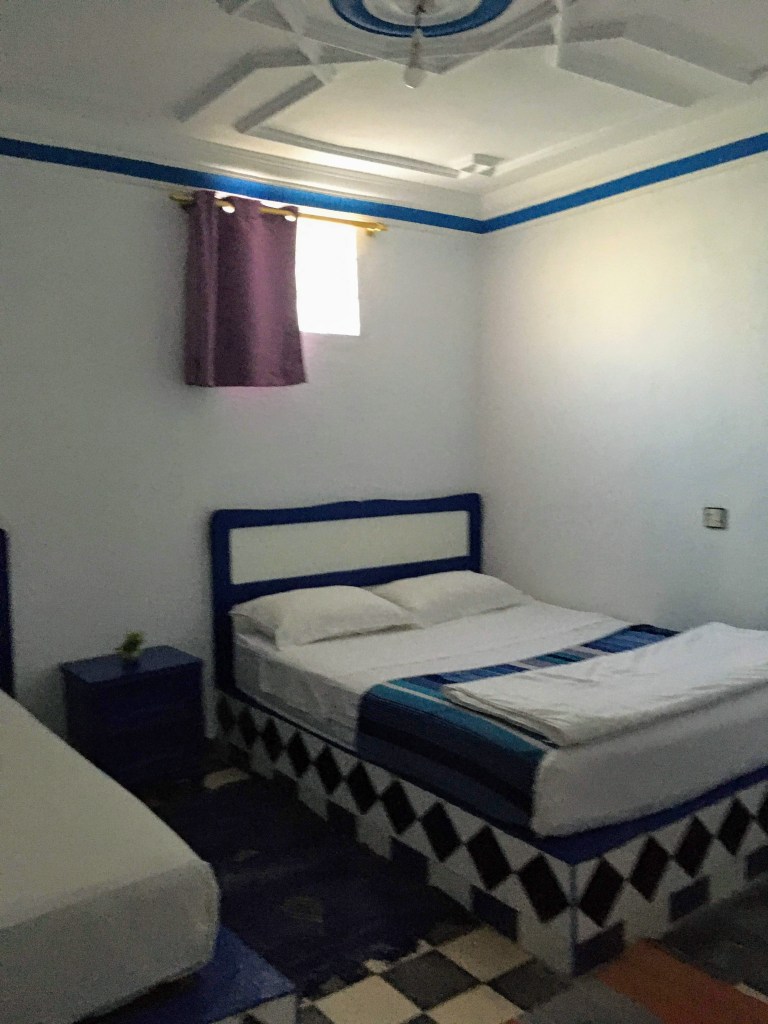
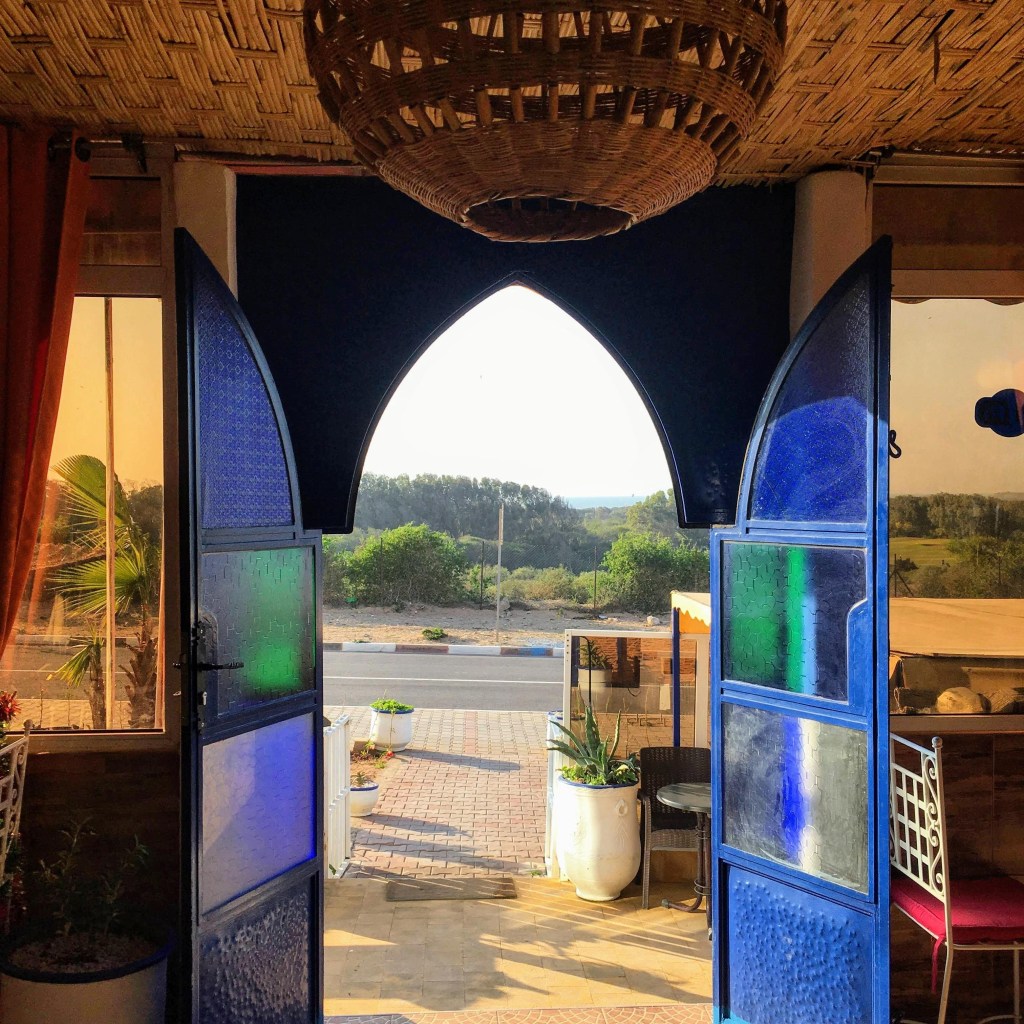
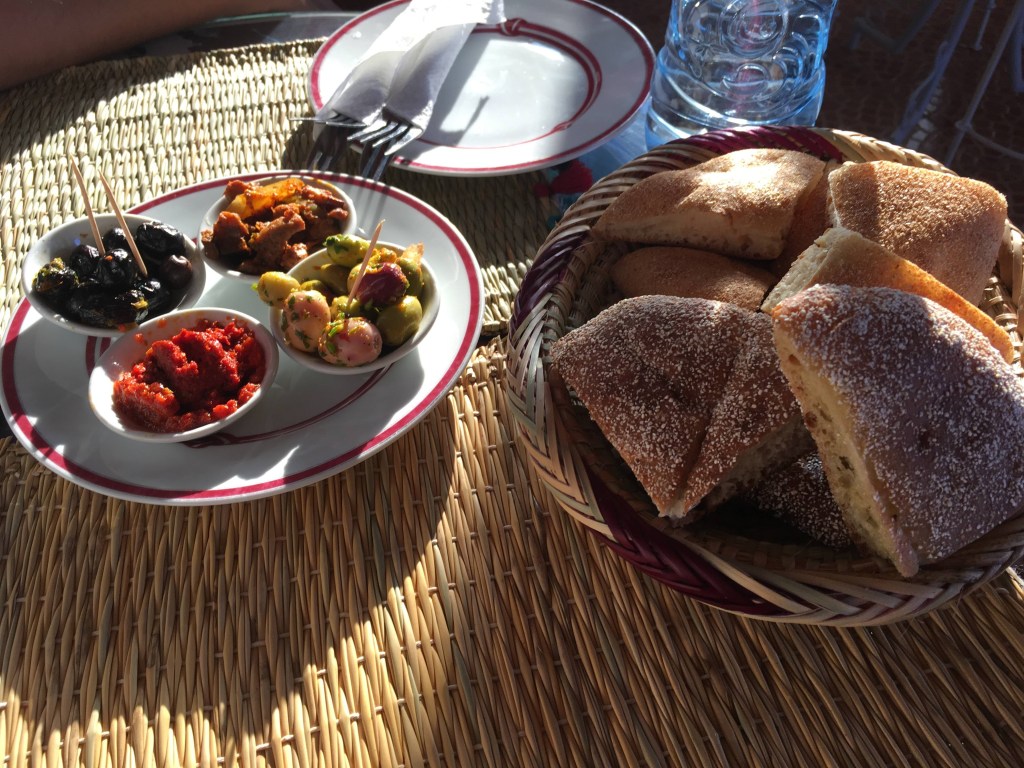
Hostels are reasonably priced – dorm rooms start around MAD 60 per night and private rooms start around MAD 180. They usually offer free breakfast, WiFi, towels and linens. There are usually also communal spaces so that you can meet up with and talk to other travellers.
2. Hotels
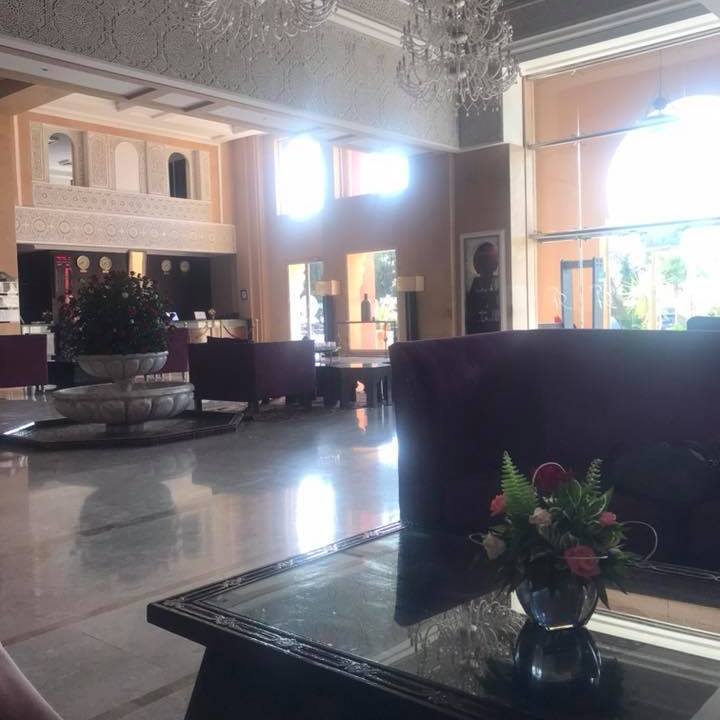
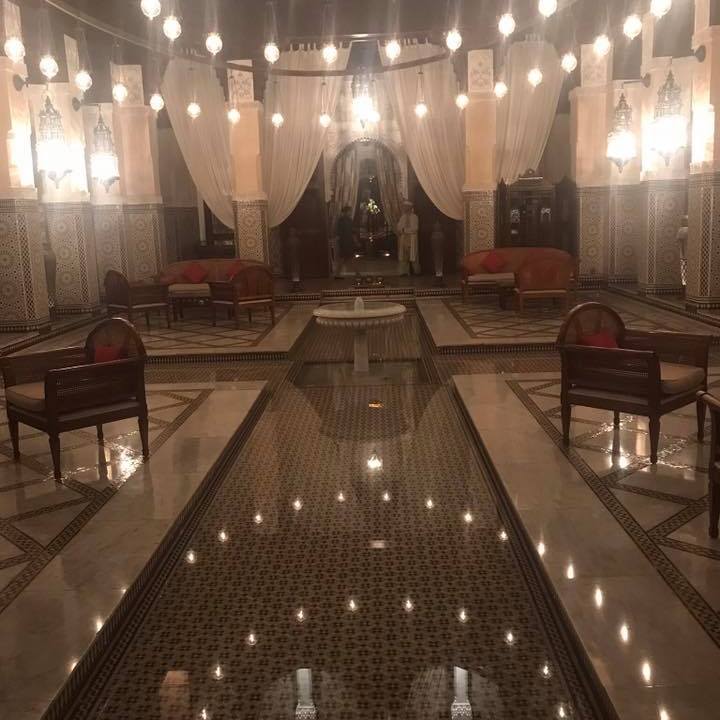
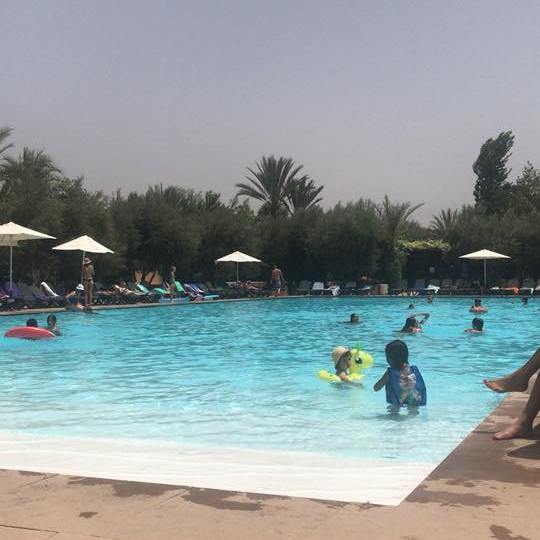
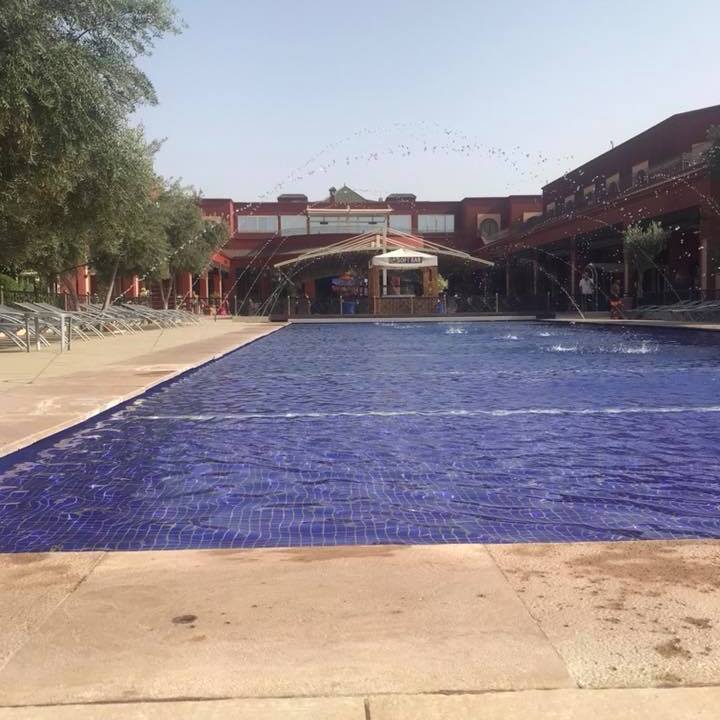
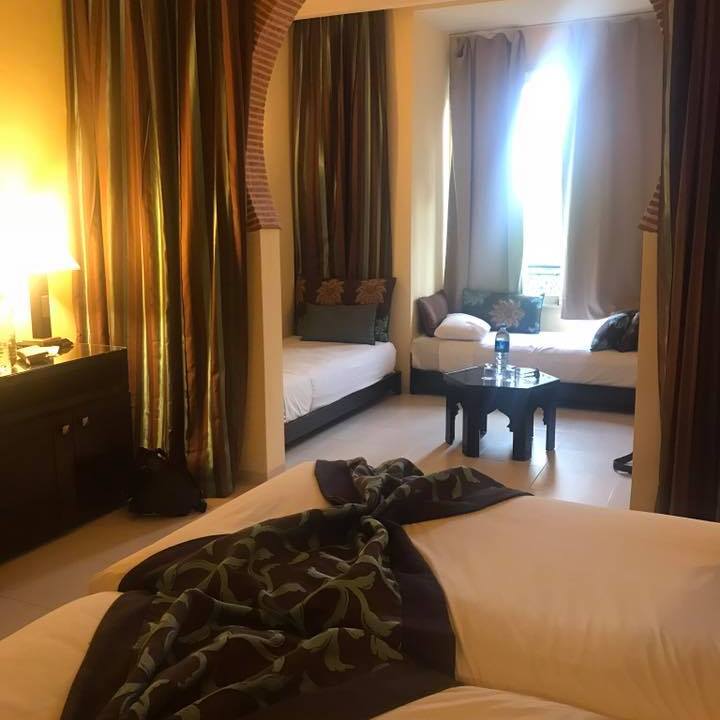
Budget hotels start at around MAD 150 per night for a room that sleeps two people, with a private bathroom, WiFi and breakfast included. There are also very many higher-end places to stay, all-inclusive luxury hotels and some quite exclusive golf-resorts just outside the city. There is something to suit every budget!
3. Riads
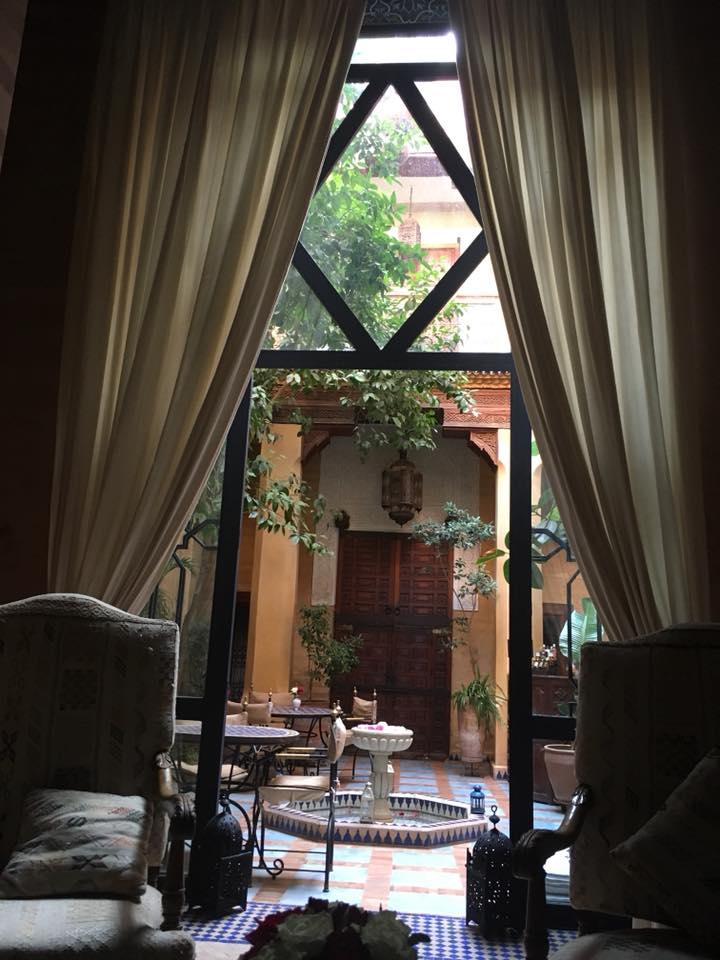
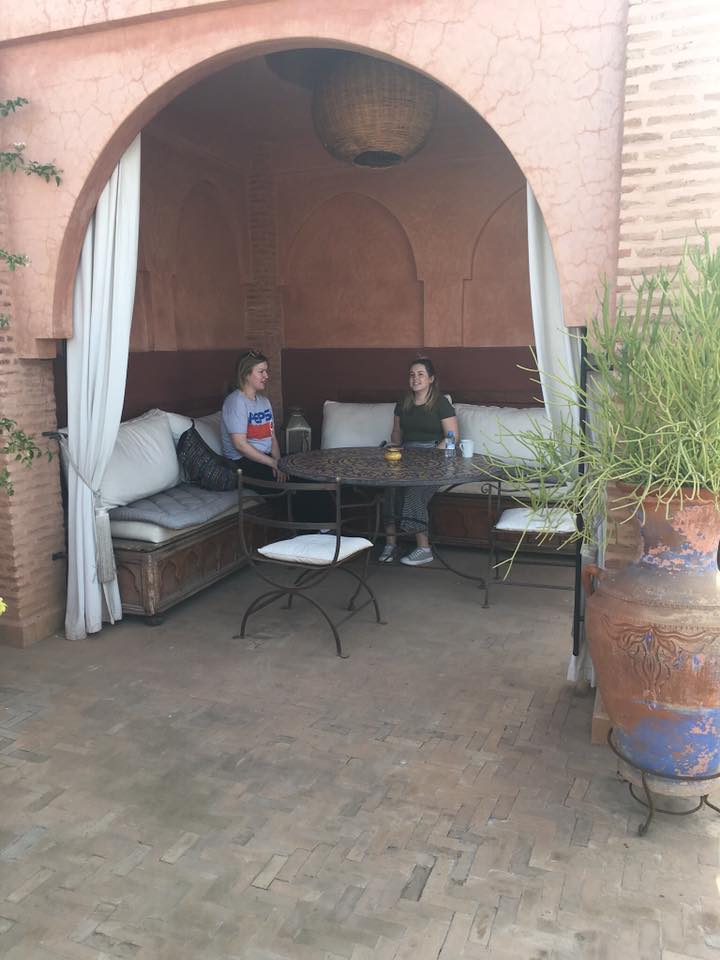
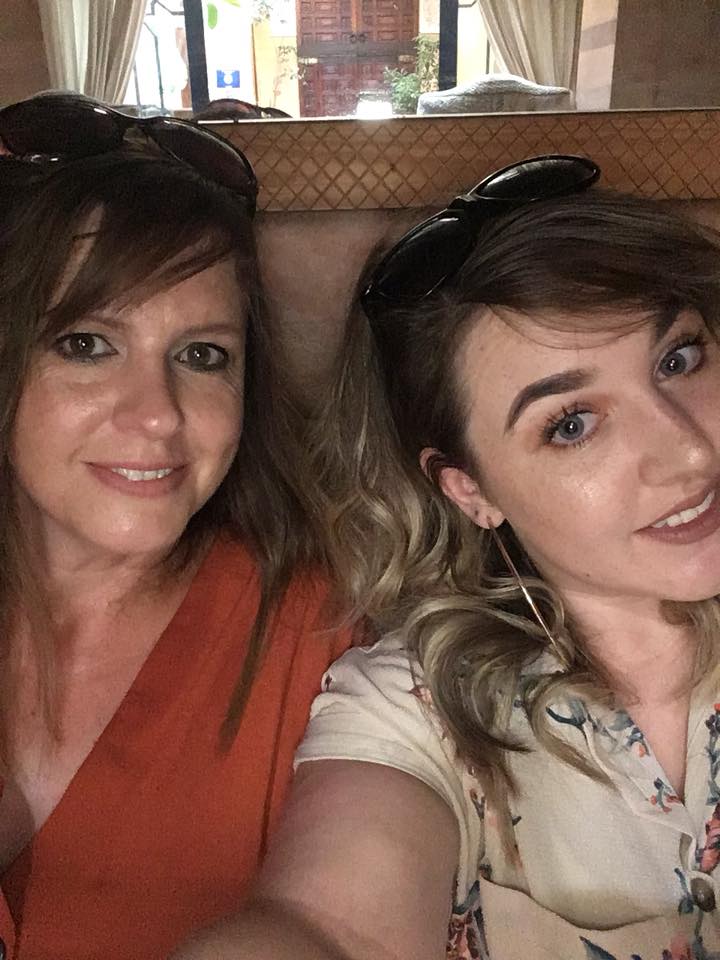
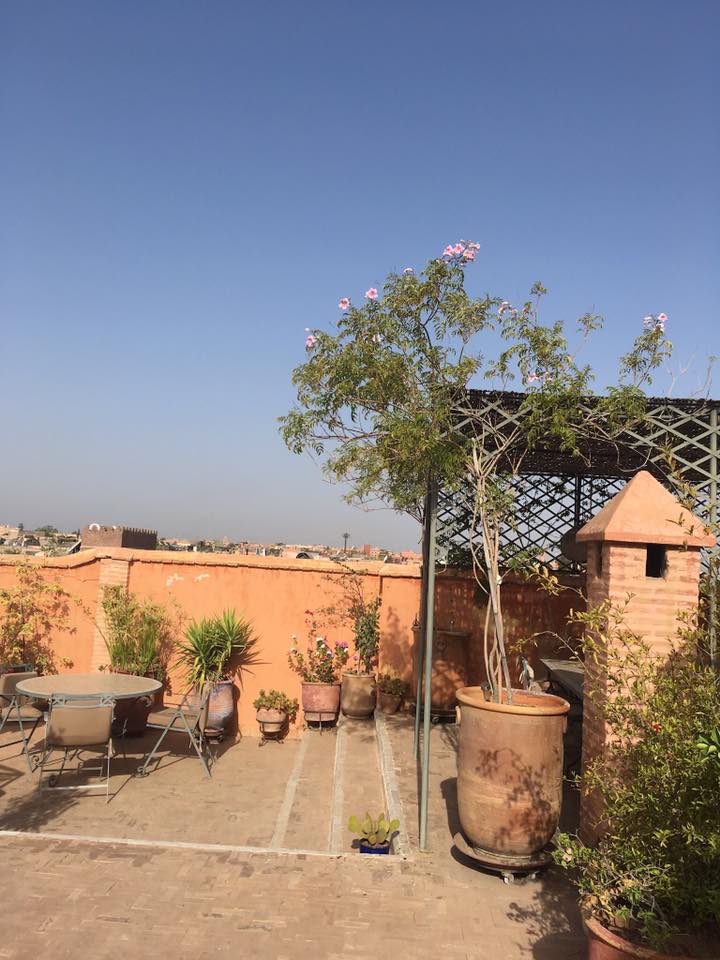
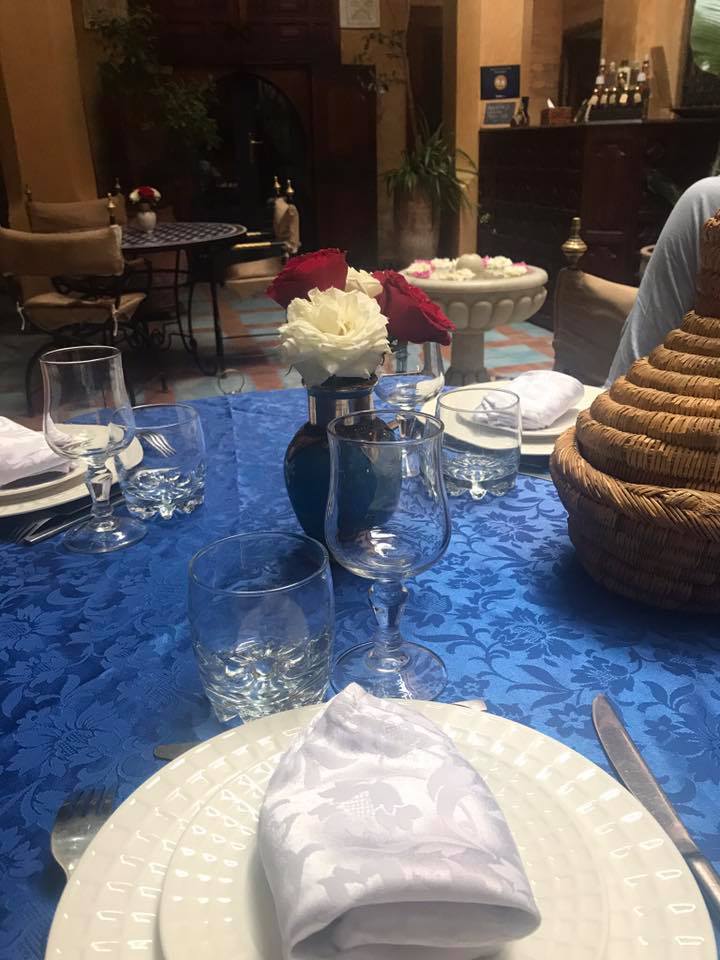
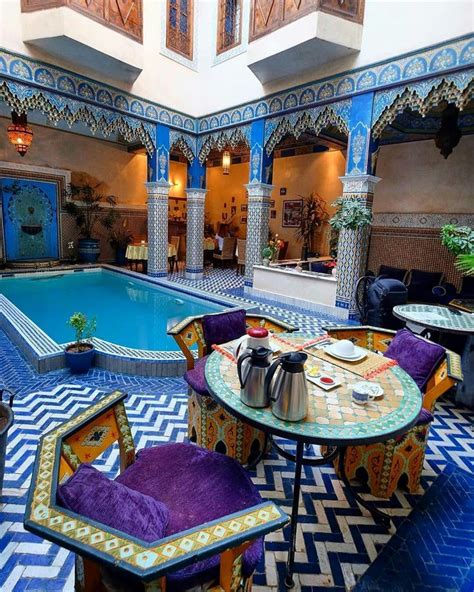
A riad is a traditional Moroccan home that has been converted into a guest-house. They are usually arranged around a central courtyard and many of them have small pools or fountains in the centre and/or a roof terrace. They usually provide breakfast, private bathrooms, Wifi, towels, linens, etc. and are a unique experience when staying in Morocco. Some riads offer other services, e.g. cookery courses, city tour-guides, etc. and some will provide dinner in the evening on request. Like hotels, there are riads in Marrakech to suit every budget.
Where to Eat
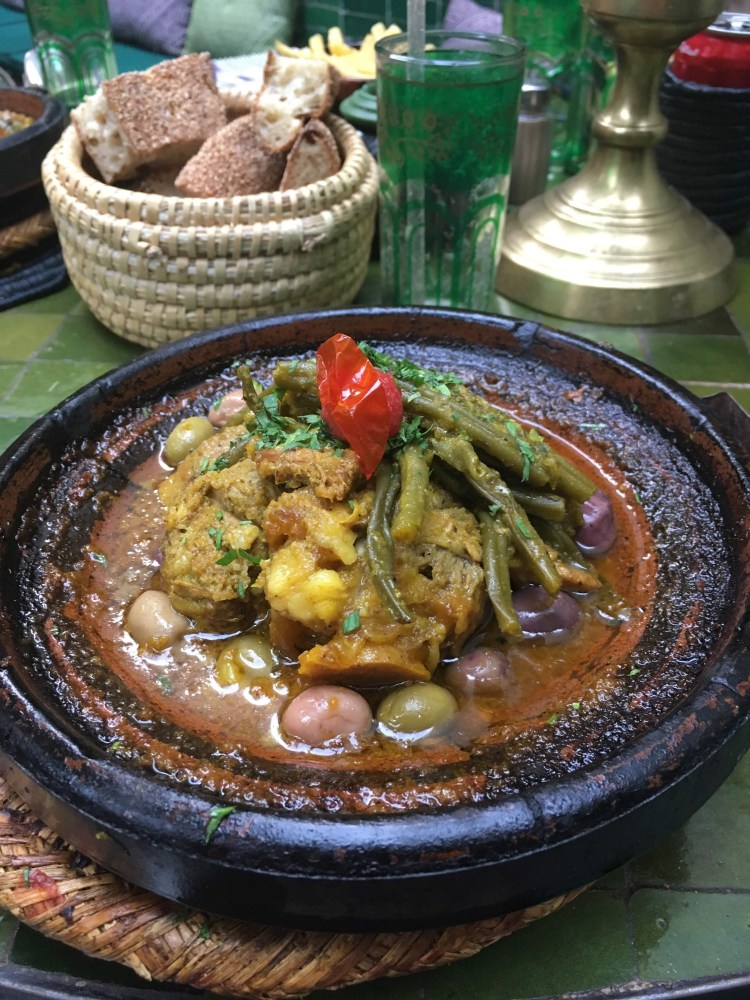
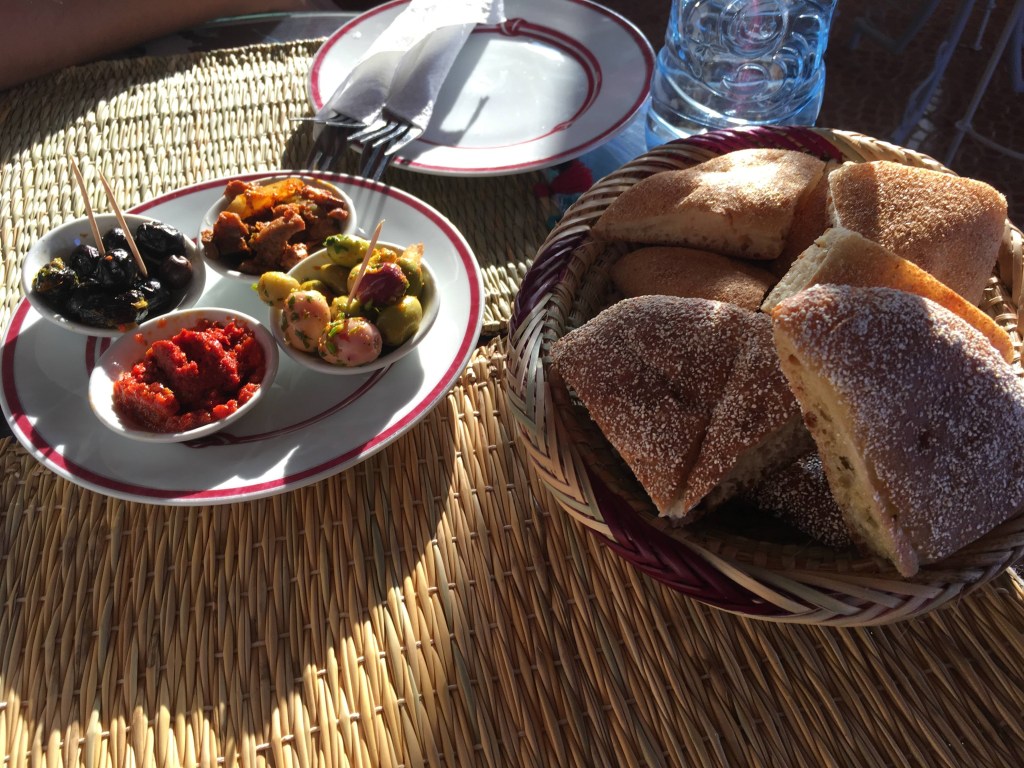
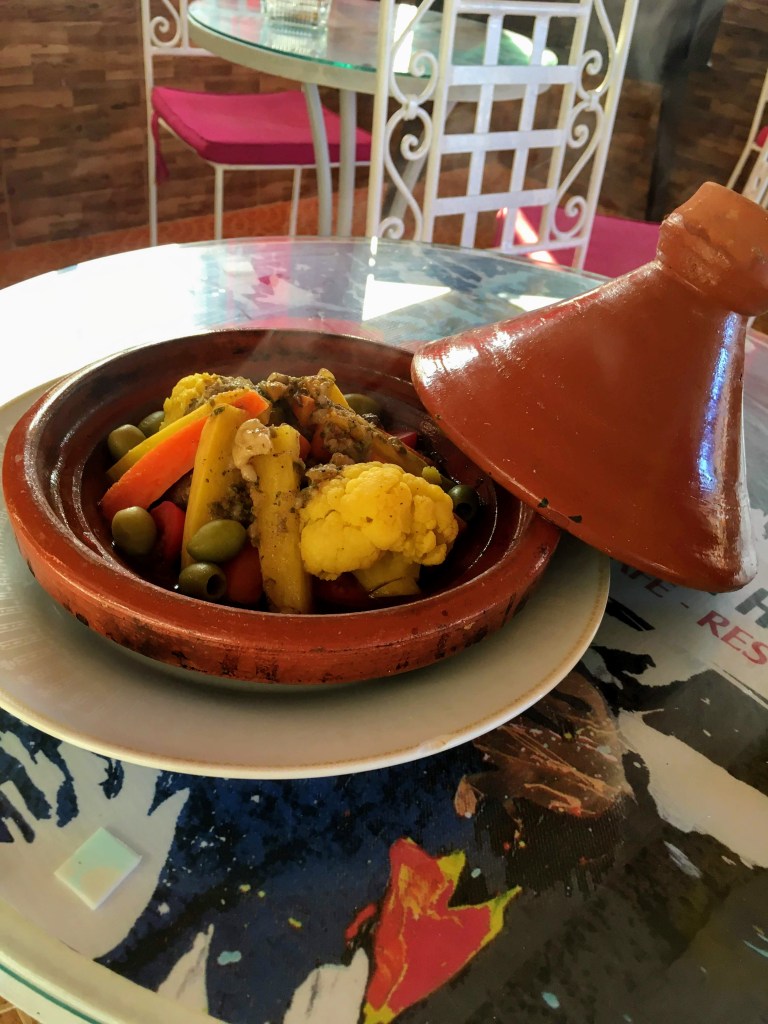
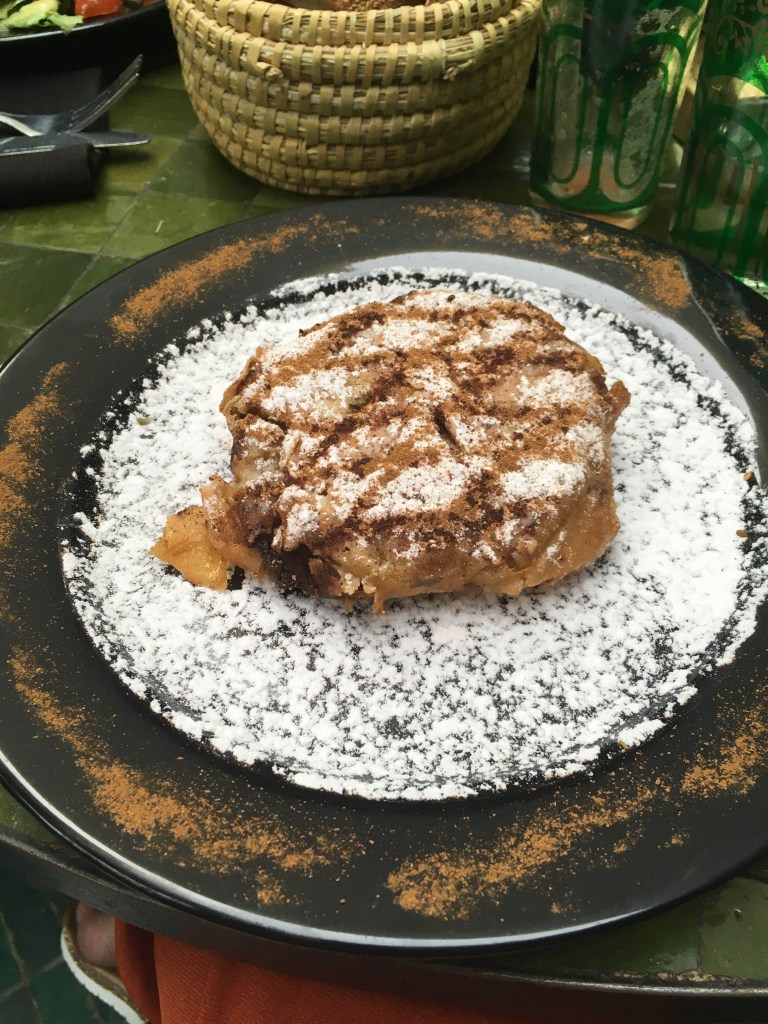
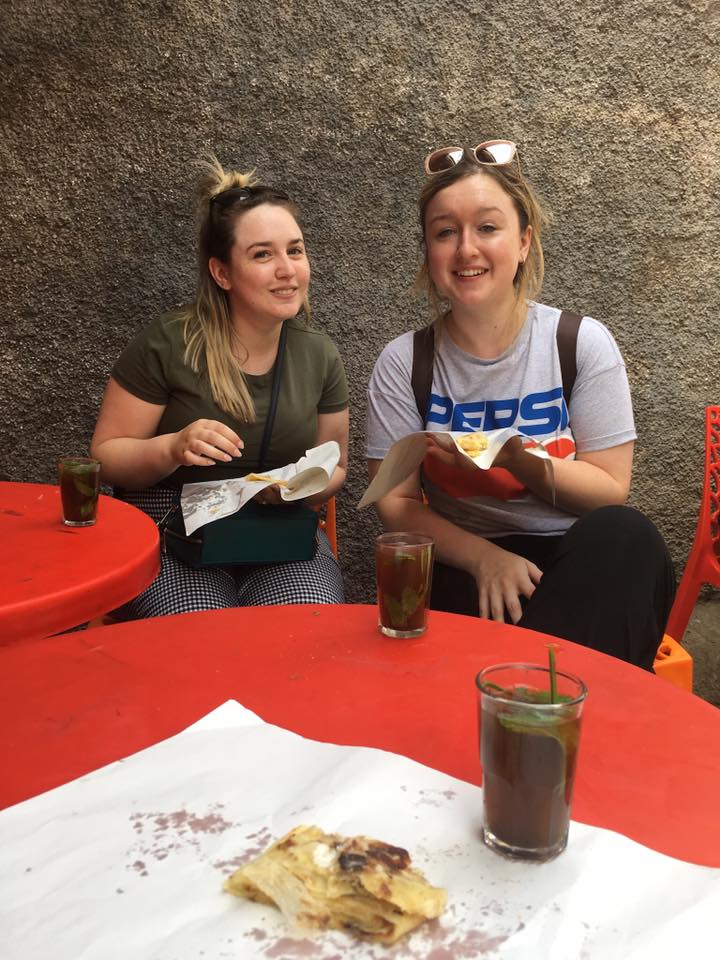
Food can be cheap in Marrakech if you eat at the street stalls and local restaurants, especially in the main square. You can get authentic food and meals (Moroccan pancakes, pastries, pastillas, tagines and fish dishes) from street vendors from MAD 30. Café Atlas and Le Jardin provide traditional and western food that is reasonably priced and very delicious! Café Clock is a happening spot that provides good, traditional food and a variety of traditional entertainment as well (story-telling, music and dancing). Dishes start around MAD 15 and go up to around MAD 30.
Getting Around
It is very possible to walk around the medina in Marrakech but it can be confusing and, depending on the time of year, very hot! Google Maps is worth using – downloading the offline maps before travelling can be helpful, too. Maps.me can have more detail in the areas in the centre of the city and also might be worth looking into. Most cafés and restaurants have free WiFi – stopping to have a mint tea and checking your location sometimes is a good idea. Bus rides around the city cost MAD 2-4. Scooters, motorcycles and cars are available to rent – if you are brave enough! A taxi might have a fare of from MAD 7 plus about MAD 4 per km. Before getting into the taxi, either ask to use the meter or agree a price to where you want to go. A taxi from the airport to the city centre will cost from MAD 100 – an airport express bus costs around MAD 30. Getting to locations outside the city is possible either with taxi, train or bus. The Supratours busses are comfortable and reasonable, and will get you to most locations.
Other Information for Travelers
1. You’ll hear many different languages in Marrakech – Arabic, Berber, French and Spanish among others! In most touristy places English is common, but it is worth knowing a little French!
2. The currency of Morocco is the dirham – one Euro will get you about MAD 10, one US dollar will get you around MAD 11. There are plenty of ATMs around, but it is worth carrying cash and having some smaller change for the markets, paying for transport and tipping. Haggling in the markets is expected!
3. Marrakech is pretty warm all year round – it can get colder at the night-time during the winter months, though (layers are good!). It can get really hot during the late afternoons in the summer. There are plenty of tourists around all year round and when walking around the medina you will see people wearing all sorts! There are some cultural differences, though, and sometimes to avoid attention loose fitting clothing that covers shoulders and knees is good – also helpful to protect against the sun!